
We are entering a new chapter in digital engagement.
This is one where Next-Gen social business applications are enabling brands to interact with audiences in real-time, hyper-personalized, and increasingly immersive ways. AI-powered tools are rewriting how we sell, market, communicate, collaborate, and influence.
But alongside this evolution comes a paradox: the very technologies that enhance engagement are also undermining trust.
I call this the Disinformation Age, or a time when manipulated content, AI-generated deepfakes, and algorithmic bias threaten the very fabric of customer confidence and brand integrity.
The truth is, trust has become your most valuable asset and simultaneously, your most fragile one. As AI amplifies personalization, it also amplifies misinformation. Navigating this duality requires more than agility. It demands anticipation.
What’s Changing in the Social Business Landscape?

Let’s start with what we know: this is a Hard Trend future certainty, not a temporary trend.
The rise of AI-powered behavior analytics, real-time sentiment tracking, and hyper-personalized content is already transforming marketing, sales, and customer service. Social platforms now act as business ecosystems that influence purchasing decisions, brand loyalty, and even corporate reputation.
Yet it’s important to recognize that the same algorithms maximizing engagement are also vulnerable to abuse. Here are some examples:
- Deepfake videos are becoming indistinguishable from reality.
- Synthetic profiles are influencing public opinion.
- AI-generated content can reinforce echo chambers and filter bubbles.
It’s no longer just about visibility. It’s about believability. And that brings us to the core crisis: digital trust.
How Are AI Models Shaping Customer Perception?

Artificial Intelligence enables hyper-personalization trends. This is content optimized down to an individual’s preferences, behavior, even emotional state. AI has revolutionized advertising, political communication, and influencer culture.
But remember that the same personalization can be used to mislead, manipulate, or deceive.
Let’s break it down:
- Behavioral micro-targeting allows organizations to nudge user behavior in subtle, often invisible ways.
- Generative AI tools can craft fake reviews, fake news, and deepfakes at scale. This makes misinformation spread faster and cheaper than ever before.
- AI-enhanced disinformation campaigns can be deployed with precision, weaponizing data against truth itself.
This is already happening, and it’s already eroding the foundational currency of your brand: trust in the digital age.
Why Does Ethical Leadership Matter More Than Ever?

In the face of rising mistrust, the companies that thrive will not be the ones shouting the loudest. They’ll be the ones speaking the clearest.
Ethical leadership is both a PR initiative and a strategic imperative.
This is where Anticipatory foresight offers the perfect roadmap. By identifying future certainties, such as the growing power of social AI, the inevitability of regulation, and the increasing demand for authenticity, you can future-proof your business strategy and build trust capital ahead of disruption.
Instead of merely complying with ethical standards, industry leaders are choosing to define them.
How to Build Trust in an Era of Digital Manipulation
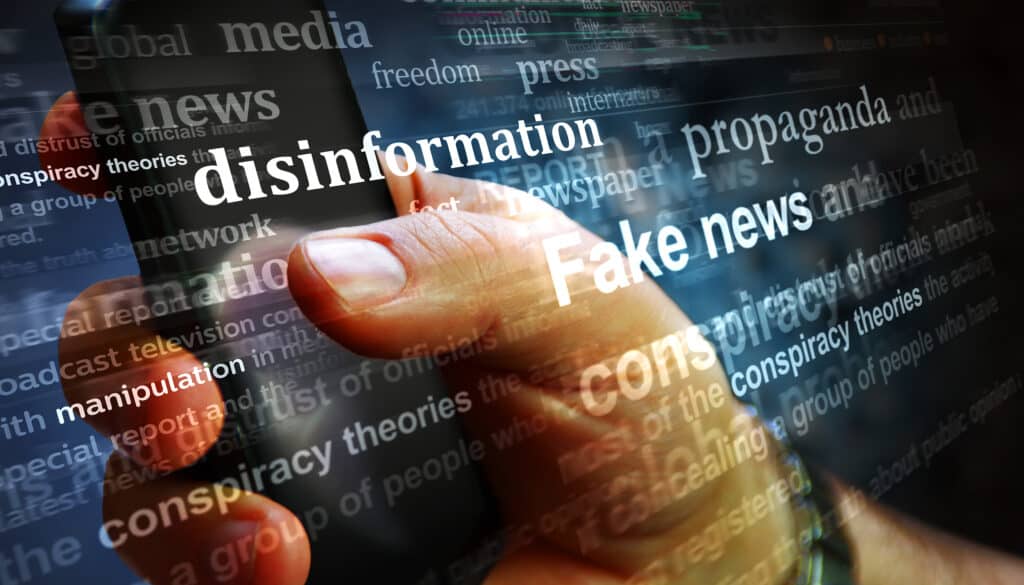
Building trust is a system, a culture, and a strategy combined. Here’s what Anticipatory Organizations are doing to improve trust in this age of massive misinformation:
- Transparency by design: Disclose AI use, sponsorships, and content sources upfront. Customers now expect to know how your message was created.
- Human-AI partnerships: Use AI to enhance and not replace genuine communication. People want clarity, not automation masquerading as authenticity.
- Integrity over virality: Don’t chase engagement at the expense of truth. Short-term reach means little if it compromises long-term trust.
- Authentic business strategy: Align your social voice with your organizational values. Consistency builds belief.
By embedding goal setting and ethics into your content creation, customer interactions, and influencer partnerships, you avoid reputational risk and create a competitive advantage.
The Business Case for Trust as Strategy

Being pragmatic, the moral of this movement is to do what’s right and what’s smart.
Studies show that brands perceived as trustworthy enjoy higher customer retention, greater advocacy and referrals, more resilience during crises, and increased willingness to share data.
In short, trust pays dividends to your organization.
So, as you map your future of social business strategy, ask yourself: Are we building digital relationships that scale with clarity or confusion? With substance or spin?
The organizations that will thrive in the AI-driven social era are not those who master manipulation, but those who lead with foresight, ethics, and transparency.
Are You Ready to Lead with Foresight?
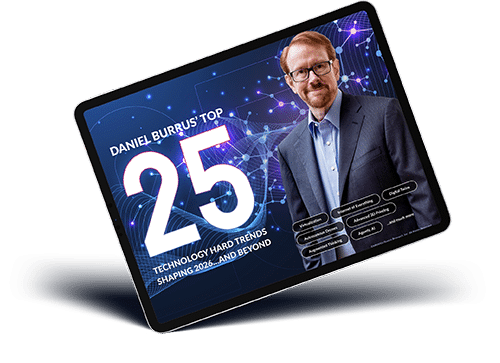
Download Your Roadmap to What’s Next
The topic of Next-Gen Social Business (trend #10 in my 2026 report) is just one of many certainties shaping your near future.
To help you lead with clarity instead of reacting in chaos, I’ve created a comprehensive, free resource:
🔗 Download the FREE Top 25 Technology Hard Trends Shaping 2026 and Beyond
This provides you and your team with strategic foresight. Use it to guide your decisions, conversations, and innovations as you build a future that’s both profitable and principled.
As we head further into the Disinformation Age, the clearest voice wins.