
The next major shift in technology won’t be louder, bigger, or even more visible. In fact, it will be the opposite.
The most transformative digital systems of the coming decade will quietly fade into the background of our daily lives.
This shift is driven by ambient computing, which is a model where technology becomes seamlessly integrated into our environment, responding intelligently to our needs without requiring constant interaction.
For decades, humans have adapted themselves to machines: typing commands, opening apps, and navigating screens. But as contextual intelligence advances, the relationship flips. Digital systems will increasingly adapt to us.
This is classified as the Rise of Invisible Interfaces, where technology anticipates what we need and delivers it automatically.
For leaders and organizations, this signals a major shift in the ubiquitous computing future. We will exist in a world where computing exists everywhere but demands far less of our attention.
What is Ambient Computing and Why Does It Matter Now?

Ambient computing refers to a technology environment where digital systems are embedded throughout everyday spaces and respond intelligently to human behavior.
Instead of requiring deliberate interaction, the system operates in the background using contextual intelligence including data from sensors, location awareness, behavioral patterns, and AI.
In simpler terms, technology becomes proactive rather than reactive.
This evolution builds on decades of progress in:
- Artificial Intelligence and Machine Learning
- IoT sensors and connected devices
- Cloud Computing and Edge Processing
- Voice recognition and Natural Language Processing
Together, these innovations are enabling invisible UX, which is a user experience where the interface itself disappears.
We aren’t moving towards total elimination of technology, but what we are moving towards is eliminating unnecessary friction in workflow.
That’s what makes ambient computing a powerful Hard Trend. The technology foundations are already in place, and adoption will accelerate quickly.
How Does Contextual Intelligence Power Invisible Interfaces?

At the heart of ambient computing lies contextual intelligence. Contextual intelligence provides us with the ability for systems to understand the situation surrounding a user.
Instead of waiting for instructions, intelligent systems analyze environmental and behavioral signals. These signals can include:
- Location and movement patterns
- Time of day and schedules
- Historical behavior data
- Environmental inputs like lighting, temperature, and occupancy
When these signals combine, systems can then make real-time decisions that support the user without requiring interaction.
For example, instead of opening an app to adjust settings, the environment adjusts automatically.
This is what makes invisible interfaces possible. The technology fades away, while the experience improves. The end result is a form of digital assistance that feels intuitive, frictionless, and almost effortless.
Where Are We Already Seeing Ambient Computing in Action?
Ambient computing is no longer a future concept. It is already taking shape across multiple industries in practical, measurable ways. What makes it powerful is not just the technology itself, but how naturally it fades into the background while still improving decisions, efficiency, and user experience.
The most effective systems do not require constant interaction. They respond intelligently to context, behavior, and need.
- Smart Homes Anticipating Daily Routines

Smart homes are one of the clearest examples of ambient computing in action. These systems learn how people live and begin adjusting automatically. Lighting shifts based on time of day and presence. Temperature adapts to daily patterns. Security systems recognize when someone is home, away, or sleeping.
The key shift is this: instead of people managing devices, the environment begins managing itself around human behavior. This reduces friction while improving comfort, efficiency, and energy usage. It is invisible UX at work, where technology supports the user without demanding attention.
- Context-Aware Vehicles

Vehicles are quickly becoming ambient environments. Today’s systems monitor driver behavior, road conditions, traffic, and location in real time. Many vehicles can now adjust seating, mirrors, safety features, and infotainment settings based on the driver.
This represents a major shift. The vehicle is no longer just a tool being controlled. It is a system that understands context and adapts instantly. As this continues to evolve, drivers will spend less time configuring and more time benefiting from personalization and real-time support.
- Intelligent Workplaces

Workplaces are beginning to operate as responsive environments. Offices now use sensors and AI to manage room usage, lighting, airflow, and temperature dynamically based on occupancy and behavior.
This goes beyond convenience. It reflects a move toward environments that continuously optimize themselves in real time. The result is improved efficiency, reduced energy waste, and a better experience for employees. In many cases, people are not even aware of the system working in the background.
- Healthcare Monitoring Environments
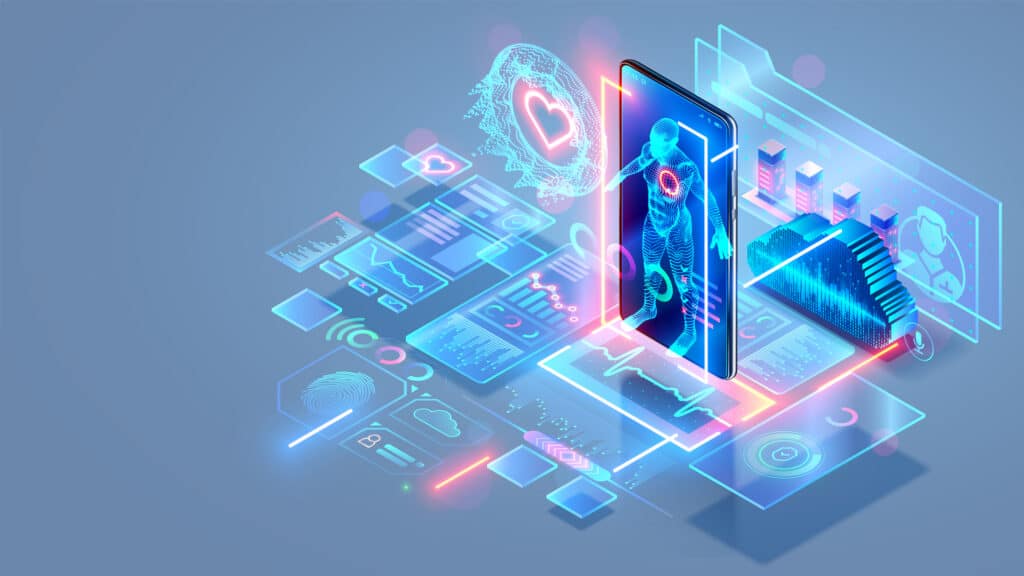
Healthcare is one of the most impactful areas for ambient computing. Hospitals and remote care systems now use connected devices to continuously monitor patient vitals and trigger alerts when intervention is needed.
This shifts care from periodic observation to continuous awareness. Medical teams can respond faster, reduce manual workload, and improve patient outcomes. In remote settings, it also extends care beyond physical facilities.
Why Does This Shift Matter More Than Ever?
Across all of these examples, a clear pattern emerges. Ambient computing increases the presence of technology while reducing the need for interaction. Systems become more useful because they require less effort from the user.
This is the real transformation. Technology does not disappear because it is less capable. It disappears because it becomes more intelligent and more integrated into everyday life.
The future of computing is not about more screens or more apps. It is about environments that understand us and respond automatically.
Why Should Business Leaders Pay Attention to the Ubiquitous Computing Future?

Many organizations still think about technology in terms of tools or platforms that we physically use in a long-form sense.
But the real shift is architectural.
The ubiquitous computing future changes how digital experiences are delivered altogether. Instead of isolated applications, businesses will increasingly design ambient ecosystems.
Leaders should be paying attention to several key implications:
- Customer experiences will become predictive rather than reactive
- Interfaces will move beyond screens into environments
- Data ecosystems will power contextual intelligence at scale
- Operational systems will automate decisions in real time
Organizations that recognize this shift early can redesign experiences around invisible UX, removing friction from both customer and employee workflows. Those that wait may find themselves competing against companies that feel dramatically easier to do business with.
From a Hard Trend perspective, the convergence of AI, sensors, and connectivity makes this shift inevitable.
The only real question is: Will your organization react to it or anticipate it?
How Can Leaders Start Thinking Anticipatorily About Ambient Technology?

To become an Anticipatory Leader, you have to begin by recognizing future certainties before they fully arrive. Ambient computing is one of those certainties. It is not a passing trend or an isolated innovation. It represents a larger shift in how technology will be experienced, integrated, and expected across every industry.
The leaders who will benefit most will not wait for ambient technology to become mainstream. They will begin experimenting with contextual systems now, while the opportunity to lead is still wide open. That is how anticipatory thinking works. You do not wait for disruption to mature. You act when the signal is clear and the window is still early.
A few practical starting points include:
- Identify friction points in customer or employee experiences
- Explore contextual data sources already available within your organization
- Experiment with automation that removes repetitive interactions
- Design environments, not just applications
When leaders shift their thinking from building software to designing intelligent environments, entirely new opportunities emerge. This is also where innovation accelerates.
The Future Belongs to Leaders Who See What Others Miss

I have found that every major technology wave follows a similar pattern. It begins as something noticeable, disruptive, and often misunderstood. Over time, it becomes so integrated into everyday life that people stop seeing it as a technology at all. That is when a true shift has taken place. The technology has not become less powerful. It has become more embedded, more expected, and more invisible.
Electricity followed that path. The internet followed that path. Mobile computing followed that path. At first, each felt new and obvious. Eventually, each became part of the environment. Now ambient computing is moving along that same path, and leaders who recognize it early will have a major advantage.
The companies that thrive in this next era won’t simply deploy new tools. They will rethink how technology blends into everyday life through contextual intelligence, invisible interfaces, and the growing ubiquity of connected systems.
For leaders willing to think like an Anticipatory Leader, this represents an extraordinary opportunity.
The future doesn’t just happen. The best leaders learn how to see it coming and shape it to their advantage.
Don’t Wait for the Future to Surprise You

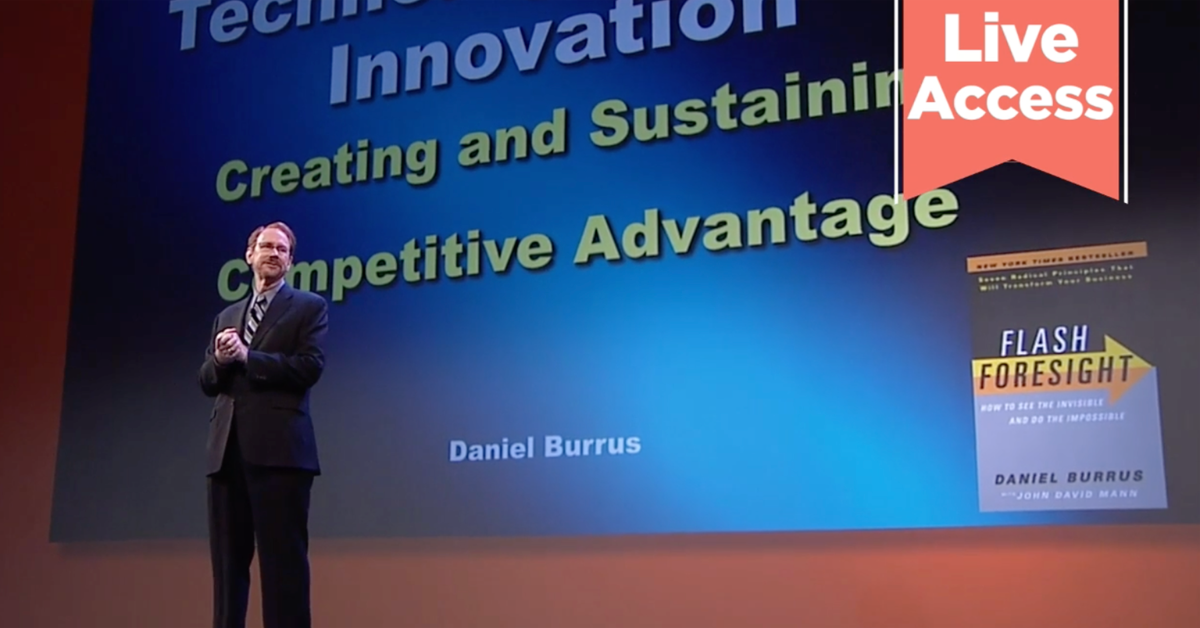
Ambient computing is already changing how business works. Bring Daniel Burrus in as a keynote speaker or strategic advisor to help your organization anticipate disruption and turn it into opportunity.
Learn more about working with Daniel Burrus at www.burrus.com