April 22, 2026 | By Daniel Burrus
Leadership, Newsletter, Strategy, Technology, Transformation
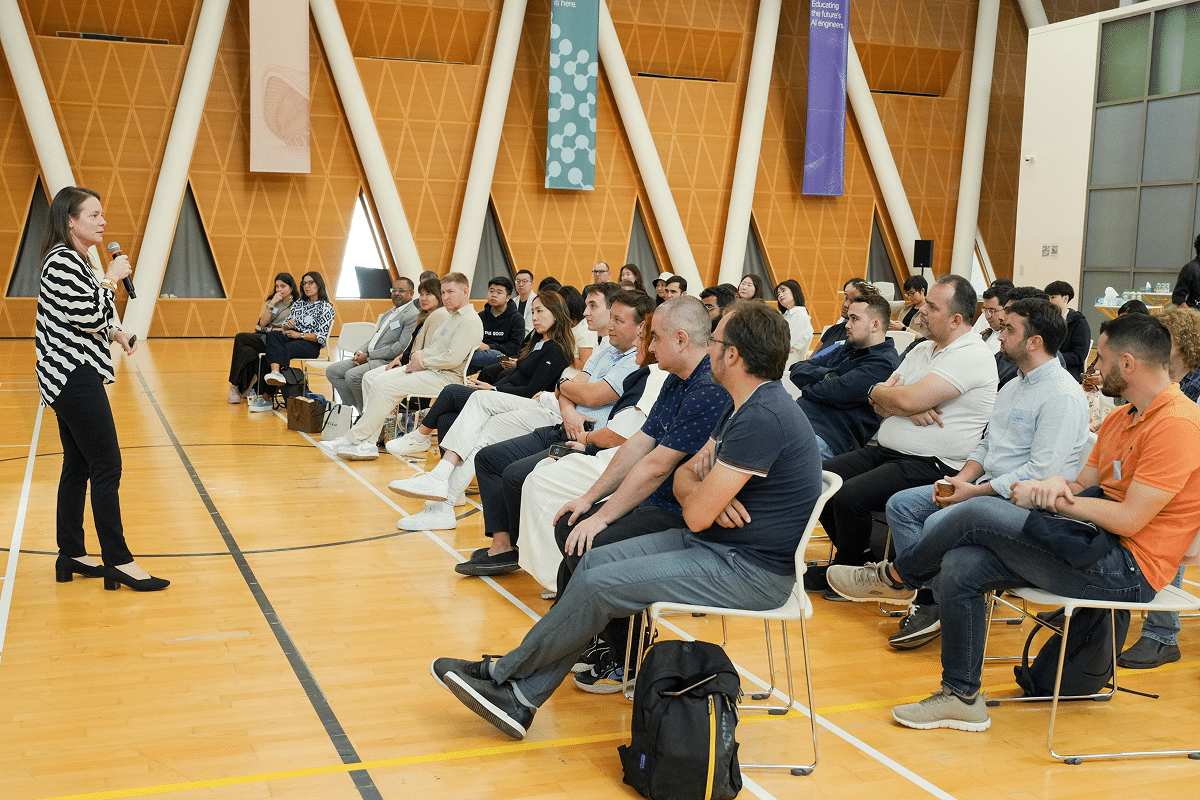
Every January, thousands of educators, administrators, and institutional leaders converge on events like FETC, the Future of Education Technology Conference, to see the latest platforms, hear the boldest predictions, and return home with a notebook full of ideas. Some of those ideas change how their institutions operate. Most don’t. The gap between what conferences signal and what leaders actually act on is where competitive advantage is either built or lost.
Why Education Technology Conferences Matter
Education technology conferences serve a real function in the innovation ecosystem. They aggregate the industry’s current thinking into a concentrated window of time and give leaders access to vendors, researchers, and peers they wouldn’t encounter in their day-to-day operations. That has genuine value.
The EdTech automation and humanization conversation that’s reshaping classrooms didn’t emerge from internal planning sessions. It emerged from exactly the kind of cross-pollination that conferences enable.
But conferences also have a signal-to-noise problem that every leader needs to account for. Vendor exhibition halls are designed to generate excitement, not strategic clarity. Session agendas reflect what speakers are ready to present, not necessarily what your institution most needs to understand. And the most consequential trends in education technology are rarely the most prominent ones on any conference stage.
What Conferences Like FETC Tell Us About the Future of Education
FETC draws tens of thousands of attendees annually and covers the broadest range of education technology topics of any conference in the sector. Its agenda is a reliable signal of where EdTech investment and attention are concentrating.
Right now, that attention is focused on four areas that will shape the future of learning technology for the next decade.
- AI in education is the dominant theme, covering adaptive tutoring systems, AI-powered assessment tools, and administrative automation.
- Data-driven education is close behind, with learning analytics platforms moving from institutional curiosity to operational infrastructure.
- Personalized learning systems, driven by both AI and platform design, are making truly individualized instruction scalable for the first time.
- Digital classroom infrastructure, including hybrid learning tools and platform interoperability, is becoming as foundational as the physical building itself.
These aren’t speculative topics on the fringe of conference agendas. They’re the center of gravity. And they tell us something important about where education is heading, regardless of whether any individual institution attends any particular event.
The Biggest Trends Emerging from Education Technology Conferences
AI-Powered Learning Systems
AI in education is no longer a future prediction. It’s an operational reality at the leading institutions. Intelligent tutoring systems, AI-driven content recommendation, automated feedback on writing and problem-solving, and early warning systems for student disengagement are all in active deployment.
UNESCO’s analysis of AI in education frames AI as a fundamental disruption to the learning model itself, identifying both the opportunity for more personalized instruction and the governance challenges that come with deploying AI at scale in learning environments.
For institutional leaders, the strategic question isn’t whether to engage with AI in education. It’s which applications align with your specific learner population and what governance framework you need before deployment.
Personalized and Adaptive Education
Adaptive learning systems are compressing the gap between what students need and what they receive. Platforms that adjust content difficulty, pacing, and modality based on real-time performance data are moving from supplemental tools to primary instruction delivery.
The implications for teachers are significant. Their role shifts from content delivery toward coaching, mentorship, and the higher-order cognitive work that AI can’t replicate.
Hybrid and Digital Classrooms
Remote learning permanence is a Hard Trend. The pandemic accelerated adoption, but the underlying drivers, including cost efficiency, geographic reach, and learner preference, ensure hybrid and digital learning remain permanent features of the education landscape rather than temporary accommodations. Institutions that treat hybrid infrastructure as a pandemic legacy rather than a strategic asset are building toward a structural disadvantage.
Data and Learning Analytics
Learning analytics trends are moving from descriptive to predictive. The shift from understanding what students did to anticipating what they need before performance gaps widen is the frontier of data-driven education. For K-12 and higher education leaders alike, the institutions investing in analytics infrastructure now will have the data depth to make those predictive models work in five years.
Immersive Learning Through AR and VR
Virtual learning future is taking shape fastest in professional and technical education, where the ability to simulate real-world environments for training purposes has the clearest ROI case. Medical simulation, engineering training, and vocational education are the leading use cases. As hardware costs fall and content libraries expand, immersive learning will move from the periphery of edtech conference discussions to the mainstream of institutional investment.
The Real Question: Should You Attend?
This is the question most conference marketing is designed to obscure. The answer depends on your role, your institution’s current strategic priorities, and what you’re realistically going to do with the information when you return.
For classroom educators, conferences like FETC provide genuine value in discovering tools and peer practices that aren’t visible from inside a single institution. The networking ROI is often higher than the session ROI.
For administrators and curriculum leaders, the value is in tracking where vendor investment is concentrating, which signals where the EdTech market is heading regardless of what any individual platform promises.
For executives and institutional leaders, the conference itself is rarely the most efficient use of time. The strategic insight distilled from what these events reveal is more valuable than attendance itself.
A Framework for Evaluating Conference ROI
Every education technology conference represents a cost in time, budget, and organizational attention. Before committing to any event, run it through four evaluation criteria.
Strategic relevance asks whether the conference agenda aligns with your institution’s top three priorities for the next two years. If the answer is no, the learning you extract will be interesting but not actionable.
Learning vs. networking balance matters because the ratio shifts depending on your career stage and institutional context. Early-career educators extract more value from sessions. Senior leaders often extract more from the people in hallways between sessions.
Time investment requires honest accounting of what preparation, travel, attendance, and post-event implementation actually cost in organizational capacity. And post-event implementation asks the most important question of all before you register. What specifically will you do differently based on what you learn, and who is accountable for making that happen?
Hard Trends Shaping the Future of Education
The most reliable guide for education technology strategy isn’t a conference agenda. It’s the ability to distinguish between Hard Trends, the future certainties you can build strategy around, and Soft Trends, the possibilities that remain open to influence and timing.
AI advancement in education is a Hard Trend. The capability of AI-powered learning systems will continue improving regardless of any institution’s adoption decisions. The aging of the global population creating sustained demand for lifelong learning is a Hard Trend.
The continued expansion of broadband and device access is a Hard Trend. These certainties provide the foundation for education technology strategy that doesn’t depend on predicting which vendor wins or which platform becomes dominant.
What’s still a Soft Trend is the pace of regulatory frameworks around AI in education, which specific platforms achieve network effects, and how quickly institutions can build the internal capability to use learning analytics effectively.
Understanding that distinction is what generative AI in the classroom requires from leaders. Not reaction to vendor announcements but anticipation of what’s certain and strategic positioning around that certainty.
How to Extract Maximum Value from Any Conference
For leaders who do attend, the return on the investment is almost entirely determined by what happens before and after, not during.
- Pre-event planning means identifying your top three questions before you arrive and mapping sessions and speakers against those specific questions rather than building an agenda from the full program. The conference is most useful when it’s answering questions you’ve already defined.
- Session selection should prioritize practitioner case studies over vendor keynotes. The most actionable content at any education technology conference comes from institutions that have actually implemented the tools being discussed, not from the companies selling them.
- Networking strategy should be deliberate. The most valuable conversations at any conference happen in the margins of the formal agenda. Know in advance who you want to meet and why.
- Post-event implementation is where most conference investment either compounds or evaporates. Within two weeks of returning, commit to three specific actions, assign ownership, and set timelines. Insight without implementation is expensive entertainment.
For institutions evaluating whether their leadership teams need external foresight beyond what conferences provide, working with a top AI futurist keynote speaker brings structured anticipatory thinking directly to your leadership team without the signal-to-noise challenges of a large conference environment.
Beyond Conferences: Staying Ahead of Education Disruption
The education technology landscape moves faster than any annual conference cycle can capture. The leaders and institutions that consistently stay ahead aren’t doing so primarily through conference attendance. They’re building ongoing intelligence systems that don’t depend on any single event.
That means following the research, not just the vendors. Organizations like UNESCO, the OECD, and leading education research institutions publish longitudinal analysis that reveals structural trends invisible in any single conference agenda. It means building internal innovation culture rather than importing it episodically from external events. And it means connecting technology decisions to educational outcomes from the start, not as a post-deployment evaluation.
The same principle applies across industries. Just as executives in healthcare are beginning to evaluate the future of healthcare technology through a strategic investment lens rather than a trend-chasing one, education leaders are realizing that conferences are starting points for research, not endpoints for decision-making.
Final Takeaway: Focus on the Future, Not Just the Event
The future of education technology conference circuit is a valuable signal. It shows you where industry attention and investment are concentrating, which vendors are gaining momentum, and which ideas are moving from experimental to mainstream. That intelligence has real strategic value.
But conferences are not solutions. They’re indicators. The leaders who extract the most value from events like FETC are the ones who arrive with defined questions, filter what they hear through a framework that distinguishes certainty from speculation, and return with specific actions rather than general inspiration.
Anticipation beats reaction in education technology strategy just as it does in every other sector. The institutions that will lead the next decade of learning aren’t the ones that attend the most conferences. They’re the ones that understand what those conferences are signaling and act on the certainties before urgency makes the decision for them.
If your institution is ready to build that kind of strategic clarity around education technology, strategic advisory services are designed to help leadership teams do exactly that.
Frequently Asked Questions
What is the Future of Education Technology Conference?
The Future of Education Technology Conference, commonly known as FETC, is one of the largest annual education technology events in the United States. It brings together educators, administrators, and institutional leaders to explore EdTech platforms, AI in education, and digital learning trends across K-12 and higher education.
Is FETC worth attending?
It depends on your role and what you plan to do with the information. Classroom educators and curriculum leaders typically extract more value than senior executives. The conference is most useful when you arrive with specific questions and a clear post-event implementation plan. Without both, the ROI diminishes significantly.
What topics are covered at education technology conferences?
AI-powered learning systems, adaptive and personalized education, learning analytics, hybrid and digital classrooms, immersive learning through AR and VR, data-driven education, and edtech innovation strategy are the dominant themes at leading education technology conferences in 2026.
Who should attend edtech conferences?
Educators seeking peer practices and tool discovery, curriculum leaders tracking EdTech market direction, and administrators evaluating vendor investment patterns all benefit from attendance. Senior institutional executives often get more value from curated intelligence on what these conferences reveal than from attending themselves.
How much does it cost to attend FETC?
Registration fees vary by registration tier and typically range from a few hundred to over a thousand dollars, not including travel, accommodation, and time away from institutional responsibilities. Total cost of attendance for most participants runs significantly higher than the registration fee alone.
What are the biggest trends in education technology?
AI in education, adaptive learning systems, learning analytics, hybrid classroom infrastructure, and immersive learning through AR and VR are the highest-momentum trends in 2026. All five are moving from pilot deployment to operational infrastructure at leading institutions.
How can you measure ROI from attending a conference?
Define specific outcomes before attending, not after. Assign ownership for implementation within two weeks of returning and track progress against pre-defined institutional priorities. Conferences that don’t connect to specific decisions or actions produce no measurable ROI regardless of the quality of the content.
Are education technology conferences valuable for executives?
They provide useful market intelligence but are rarely the highest-value use of executive time. The strategic insight distilled from what conferences like FETC reveal about EdTech direction is often more efficiently obtained through curated research and external foresight advisory than through in-person attendance.
What alternatives exist to attending conferences?
Following OECD, UNESCO, and leading education research institutions provides longitudinal intelligence that exceeds what any conference agenda captures. Engaging external thought leaders and futurists directly, building internal innovation culture, and creating structured technology evaluation processes all produce more sustainable learning than episodic conference attendance.
How can leaders stay updated on education technology trends?
Build a continuous intelligence system rather than relying on annual event cycles. Track research from authoritative institutions, follow practitioners who are implementing technologies at scale, distinguish between Hard Trends and Soft Trends in the EdTech landscape, and connect technology decisions to educational outcomes from the start.