The Future of Payment Technology: What Leaders Must Prepare for by 2035
Payment technology is no longer a back-office function. It has become a frontline competitive variable affecting customer retention, revenue models, and operational resilience. Daniel Burrus has spent decades helping executives separate technological certainties from speculation. Nowhere is that distinction more consequential than in the future of payment technology.
Looking to inspire bold, future-ready thinking at your next event? Hire futurist Daniel Burrus as your AI keynote speaker and spark real innovation.
Watch the reaction to Daniel Burrus’ Recent Keynote presentation.
Daniel Burrus has over three decades of being right about where things are going, which is evidenced by his long and diverse list of repeat clients. Daniel has worked with leaders from Fortune 500 companies, the Pentagon, and heads of State-delivering powerful insights and actionable strategies.
By applying Daniel Burrus’ principles to our business, in less than a year we have been able to double our revenues and increase the value of our company by a factor of four, and we feel the biggest impact is yet to come.
We are going through an incredible digital transformation right now, and in his keynote speech, Daniel touched on a large number of points that tied everything together with practical strategies that we can immediately take action on.He really energized our dealer network to embrace the transformation that we’re going through.I can’t recommend Daniel enough!
“Your keynote at our digital annual convention was perfect. The Hard Trend future facts you shared was exactly what our industry leaders needed.It gives them a critical view that provides confidence for decision making.”
Daniel Burrus did a truly outstanding job as the opening keynoter for our CIO 100 2017 Symposium conference. He impressed our audience of 350+ Chief Information Officers and senior IT executives with his innovative ideas, business acumen and – most importantly — his thorough understanding of the challenges they face as enterprise technology leaders.
“You covered all the key points we discussed and more in your digital keynote to our audience of executive customers, and you customized your examples for our industry in just the right way.”
“Daniel delivered a great keynote at our Annual Global User Conference; his presentation was nicely tuned to our audience and the examples he incorporated were all accessible and helpful. It’s not easy to find compelling speakers who appeal to a broad audience and also convey something practical, but Daniel sailed over this bar. I would enthusiastically recommend him to companies looking to inspire innovative thinking.”
A ‘must-hear’ presentation.
It came as no surprise that you were rated the top speaker in our audience evaluations. Your unique blend of wit and insight awakened all of us to the need to develop the knowledge network necessary to move to a 21st century mind set.
Daniel studied the details about our audience in advance and listened carefully to our objectives for his keynote speech. He seamlessly incorporated every key point we discussed. As a result, the audience hung on every word, relating directly with each insight and recommendation. It’s no wonder he received a standing ovation. People are still buzzing.
Daniel Burrus was the keynote speaker at the ITF STORE Capital 2018 conference, and he was amazing – thought provoking, interesting, relevant to the business leaders in the audience. He customized the program for the group, and he did his homework. Many of the attendees are continuing to talk about his presentation and content. He was terrific to have right before lunch to spark lots of good conversation. I would highly recommend Daniel to speak to any leadership group that is interested in being prepared for the future and learning ways to be more innovative in their business.
Your presentation and interactive discussion with the Agents Council for Technology was a transforming event for our group. You helped us look at trends in a much more methodical way that will enable us to rework our Vision of the Future document into a much more credible and living tool for our industry.You spent the time in advance to understand our issues and then applied them actively throughout your presentation.
This is the third time you’ve addressed this conference and each presentation has been better than the last… and I wouldn’t hesitate inviting you back to a future conference!
Our people, without exception, felt that your ideas were provocative, original, and timely. Your entertaining style captured the audience and compelled them to listen, think, and apply your thoughts to their own professional and personal lives.You truly made a memorable impression on the audience.
“Your comments and insight were perfect and led right into the topics we planned to present at our digital event. Survey responses were highly complementary after the event concluded. Many thanks for your time and talent.”
You were fabulous! You received rave reviews from our participants for the relevancy, insight and expertise of your presentation material and style.You are the only keynote speaker we have invited back numerous times. I am convinced the extraordinary success of your continued contribution is due in no small part to the enormous amount of time you put into each presentation by customizing it to fit the unique and challenging needs of our CMO audience each year.
I don’t know any other speaker that could present after Bill Gates and ‘wow’ an audience of CEOs like you did! You were the perfect choice.
Your thoughts on how to create an opportunity for change through a customer focus is the excellence our team is striving for. The framework you provided on innovation, creativity and customer value will be instituted as a management practiceto enable the technology infrastructure group to take Wells Fargo to the next stage.
We hired Daniel as the keynote speaker for both our Business Innovation Technology Summit as well as our annual company meeting. I was thoroughly impressed with not only his actual keynote speeches, but even more so with his preparation process beforehand. We had a great conversation via phone a couple weeks beforehand where I realized how much he genuinely cared about catering his speech specifically to our audience, as well as aligning it with the message we wanted to send as a company. He is engaging, incredibly well spoken, and great to work with.
“Daniel Burrus is a dynamic speaker and delivered a lot of “aha” moments with his insights. I appreciated the activity and takeaways that he left the audience with. Daniel also was very engaging before the meeting, asking our clients questions, taking notes, and genuinely interested in learning more about our clients’ business.”
“Daniel is a powerful business strategist bringing significant value to those he works with.”
Daniel Burrus delivered! Not only did he do the upfront homework and research, ensuring that he fully understood the SPECS audience, but he presented an excellent keynote address that hit all the points we discussed in advance. He was interesting, knowledgeable, and dynamic. Our audience is still raving about his performance — and I would hire him again in a heartbeat.
“Daniel Burrus was exceptional, and we are thankful for the opportunity to have him join our meeting. Thank you for everything you have done in making our Annual Partner Meeting a huge success.”
Daniel came highly recommended and delivered on his Keynote at the Global CISO Executive Summit. He made the keynote interactive and challenged participants to put their newly gained insights to work in an interactive session identifying trends that you can anticipate and prepare for through strategic planning.
“Daniel Burrus did an excellent job. The feedback was extremely positive and he made me look like a genius.”
“Your digital presentation to the hospital CEOs gave them a new anticipatory mindset to view the present and future. This was exactly what they needed to help them design transformational strategies going forward.”
“Daniel Burrus exceeded our expectations, it was simply out of this world!”
“The feedback from the attendees on Daniel Burrus has been excellent. The content was right on point and very eye opening for everyone.”
Our practitioners were invigorated by the presentation and they left the conference thinking differently about how to navigate the road ahead. Daniel Burrus was 100% on point aligning our message to our conference’s theme.
Why Payment Technology Is Entering a New Era
Payments are undergoing a structural transformation. The shift is not from one technology to another. It is from transactions as discrete events to payments as embedded, continuous, and often invisible experiences.
The evolution from cards to mobile wallets to embedded finance reflects a fundamental redefinition of where and how value exchanges happen. For executives, this means payment infrastructure is now a strategic asset. It directly affects customer experience, data strategy, and revenue architecture.
7 Key Payment Technology Trends Shaping 2026 to 2035
1. AI-Driven Payments and Predictive Commerce
AI is moving payments from reactive processing to anticipatory execution. Fraud detection, risk scoring, and authentication are already AI-driven at most major financial institutions. The next phase is predictive commerce, where AI initiates payments based on behavioral patterns before a consumer decides to buy.
Payment data becomes behavioral intelligence in this model. Organizations that own that intelligence will carry a structural advantage in customer relationships. Competitors without it cannot easily replicate that edge.
2. Real-Time Payment Infrastructure
Instant settlement is moving from premium feature to baseline expectation. Systems like FedNow represent a permanent shift in how funds move and how quickly businesses access capital after a transaction. The Federal Reserve’s research on digital payment infrastructure confirms that real-time capability is now a foundational investment, not an optional upgrade.
Real-time settlement compresses working capital cycles measurably. Leaders who build operations around same-day liquidity access will carry a structural cost advantage. Those still managing multi-day settlement gaps will feel that disadvantage compound over time.
3. Rise of Digital Wallet Ecosystems
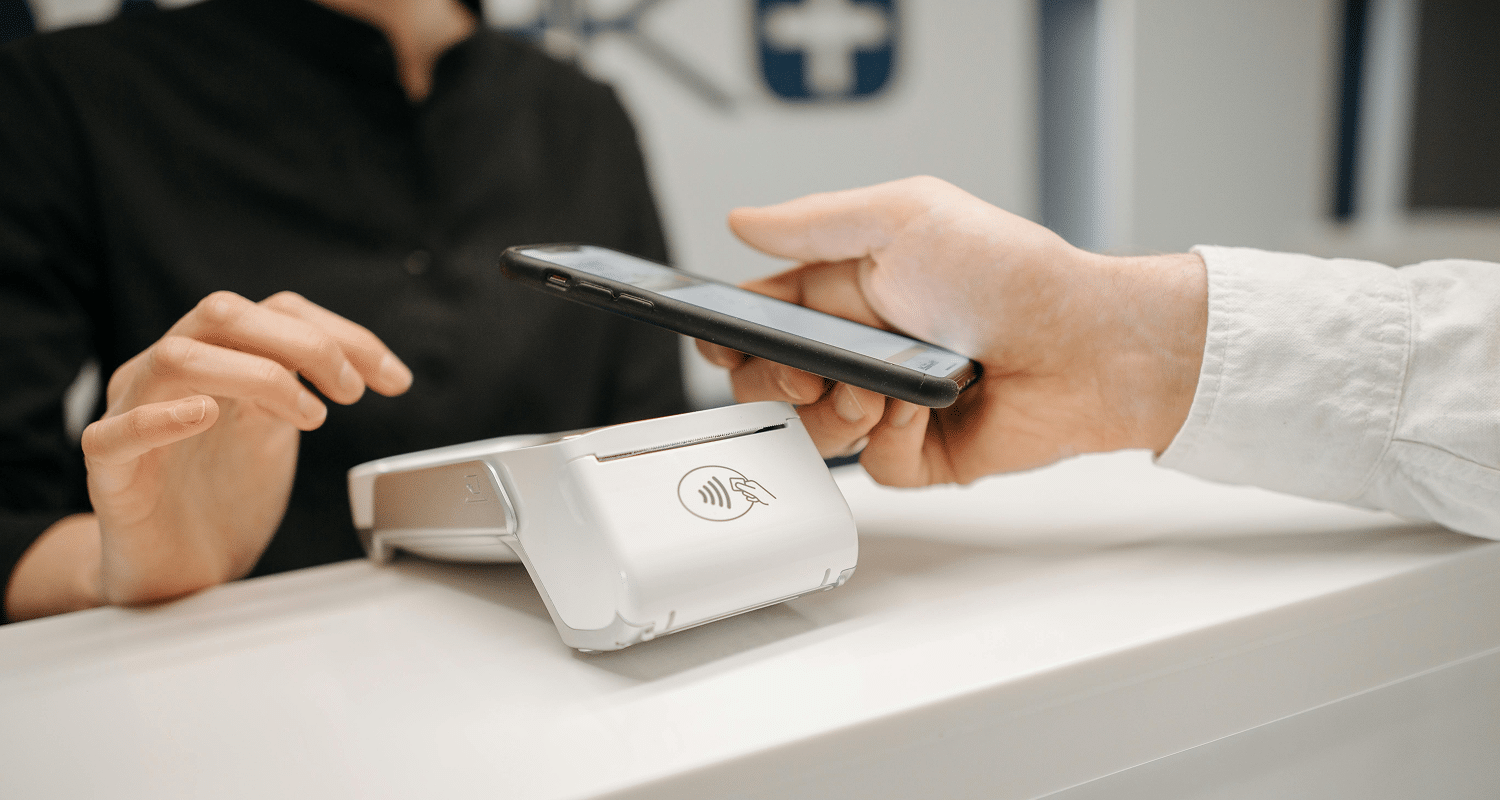
Digital wallets have moved well past convenience features. They are becoming the primary financial interface for a growing segment of consumers. The super-app model, where a single platform handles payments, lending, insurance, and investment, is already mature in Asia and advancing rapidly in Western markets.
The question for executives is not whether digital wallets will reshape payment behavior. That is a Hard Trend. The question is which wallet ecosystems will carry the most strategic relevance for your customer base by 2030.
4. Embedded and Invisible Payments
Embedded finance is redefining payment architecture at scale. Research on embedded finance projects the global market reaching $7.2 trillion by 2030. The payment is becoming invisible, integrated directly into the experience of using a service.
Ride-sharing checkouts, one-click renewals, and in-app purchasing are early forms of what becomes the standard architecture across every sector. Leaders who build embedded payment capability into their products now will reduce customer friction at the point of value exchange. That reduction directly affects conversion and retention.
5. Blockchain, Stablecoins, and CBDCs
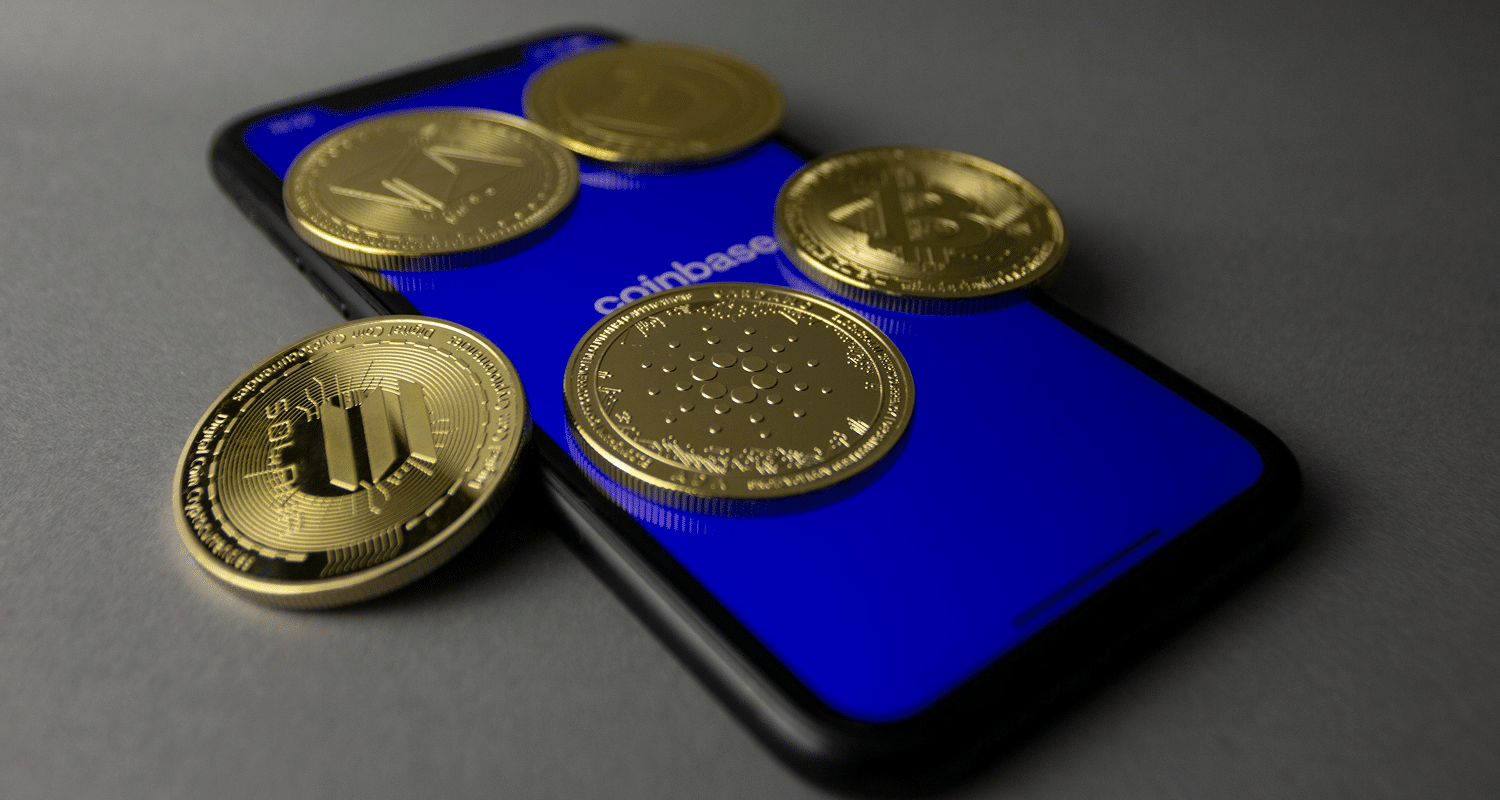
Cross-border payment friction is expensive and slow. Blockchain-based infrastructure is addressing both problems simultaneously. Stablecoins are already functioning as global instant payment rails in several markets, and central bank digital currencies are advancing through pilot stages in multiple economies.
The strategic implication is regulatory exposure and opportunity in parallel. Organizations that monitor the CBDC and stablecoin regulatory trajectory now will be positioned to build compliant infrastructure before mandates force reactive investment.
6. Biometric Authentication and Zero-Friction Security
Facial recognition, fingerprint authentication, and behavioral biometrics are eliminating friction between payment intent and payment completion. Each reduction in authentication friction measurably increases conversion. The parallel risk is data privacy exposure.
Leaders who treat biometric authentication as a security investment alone, without building corresponding data governance architecture, are accumulating regulatory and reputational liability. Every deployment without that governance layer adds to the exposure.
7. Internet of Things Payments
Autonomous payments via connected devices are moving from novelty to infrastructure. Vehicles that pay for fuel, tolls, and parking without driver interaction are in active deployment today. Smart home devices that manage subscription-based consumption automatically are scaling across multiple markets.
This is not a distant future trend. It is a near-term operational reality for leaders in retail, logistics, automotive, and energy. IoT payment architecture requires rethinking how your organization tracks, reconciles, and governs transactions that occur without human initiation.
What Most Payment Articles Miss
Most coverage of the future of payment technology stops at trend description. The strategic gap is in what comes next, specifically how payment systems are becoming anticipatory rather than transactional.
By 2035, the most advanced payment ecosystems will not wait for a customer to initiate a transaction. They will predict, prepare, and execute based on patterns, preferences, and contextual signals. Leaders who understand the disruptive technology forces driving this shift are already redesigning their revenue models to operate in that environment.
The shift from ownership-based purchasing to access-based, subscription-modeled consumption accelerates this dynamic. Organizations still anchored to one-time transaction models are leaving revenue architecture on the table. This is not a future risk. It is a present competitive disadvantage for leaders who have not yet addressed it.
Strategic Implications for Business Leaders
1. Revenue Model Transformation
Subscription, usage-based, and microtransaction revenue models are becoming commercially viable at scale. Payment infrastructure now supports them in ways it did not five years ago. Organizations that redesign revenue architecture around these models now will outpace those waiting for market pressure to force the change.
2. Customer Experience as Competitive Advantage
Frictionless payment directly correlates to higher conversion, lower abandonment, and stronger retention. This is no longer a UX principle. It is a measurable financial variable that belongs in executive performance metrics.
3. Data as a Strategic Asset
Payment data is behavioral data. Organizations with structured strategies for capturing, analyzing, and responsibly deploying payment insights will generate customer intelligence that competitors without equivalent data cannot match.
4. Risk, Compliance, and Trust
Regulatory fragmentation across payment technology is accelerating. A compliance posture built for one jurisdiction is increasingly inadequate for organizations operating across markets. Leaders who treat compliance architecture as a competitive differentiator rather than a cost center will adapt faster than those treating it as a lagging obligation.
A Leadership Framework for Navigating Payment Disruption
The payment technology landscape contains both certainties and variables. Separating them is the foundation of sound investment strategy. As the new rules of disruption consistently demonstrate, Hard Trends reward early positioning while Soft Trends reward patience.
Hard Trends in payments include the continued advancement of AI in transaction processing, the permanence of real-time payment infrastructure, and the growth of embedded finance. These will happen regardless of any individual organization’s adoption decisions. Soft Trends include which specific payment platforms gain dominance in your market and how quickly biometric authentication achieves regulatory standardization.
Build strategy around the Hard Trends first. Maintain flexibility on the Soft Trends. That sequencing separates leaders who anticipate payment disruption from those who react to it after competitive displacement has already occurred.
Real-World Use Cases of Future Payment Technology
The most instructive signal of where payment technology is heading is where it already operates today.
Retail — Cashier-less stores using computer vision and AI to track selections and process payment upon exit are scaling beyond pilots at major grocery and convenience chains.
Automotive — In-vehicle payment systems handle fuel, tolls, parking, and drive-through transactions autonomously, with the vehicle as the payment endpoint.
Healthcare — Automated billing triggered at point of care, combined with real-time insurance adjudication, is eliminating the multi-week billing cycle for routine encounters.
Smart Homes — Subscription-based consumption models, where appliances manage their own supply replenishment and billing, are moving from concept to commercial deployment.
Risks and Challenges Leaders Must Prepare For
Cybersecurity threats scale directly with payment digitization. Every new payment surface is a new attack surface. AI-powered fraud is already outpacing legacy detection systems in sophistication and speed.
Regulatory fragmentation is a structural compliance burden for any organization operating across multiple markets. Consumer trust erosion is the silent risk. Organizations that prioritize payment speed over transparency and data governance will face customer backlash that is difficult to reverse.
Over-reliance on third-party payment ecosystems creates operational dependency that can become a competitive liability. If platform relationships shift, organizations without alternative infrastructure absorb the full impact. Leaders who build diversified payment architecture now carry meaningful resilience advantages.
Conclusion: Preparing for the Next Decade of Payments
The future of payment technology will reward leaders who treat payments as strategic infrastructure, not as a backend commodity. Reactive organizations will continuously scramble to integrate payment technologies after competitors have already captured the conversion and data advantages.
The leaders who define the next decade of payments will identify Hard Trends now and build compliant, flexible infrastructure around those certainties. They will use payment data as a strategic intelligence asset rather than a transactional record. The digital disruption standard has already arrived in the payments sector.
The question is whether your organization is positioned to lead it or manage its consequences. For direct advisory support in building that strategy, strategic advisory services are designed for exactly this inflection point. For leadership teams looking to ground payment strategy in a broader AI and innovation framework, the AI strategy report provides the applied foresight context that payment-specific analysis alone cannot deliver.
Frequently Asked Questions
What is the future of payment technology?
The future of payment technology is the shift from discrete transactions to embedded, invisible, and anticipatory payment experiences. By 2035, leading payment systems will predict and execute transactions based on behavioral data, with minimal friction at the point of value exchange.
How will AI change digital payments?
AI is transforming fraud detection, transaction authentication, and risk scoring today. The next phase is predictive commerce, where AI initiates payments based on behavioral patterns without manual consumer action.
Are digital wallets replacing credit cards?
Digital wallets are not replacing credit cards so much as absorbing them. The card network remains the underlying infrastructure in many wallet transactions, but consumers increasingly interact with a wallet or platform rather than a physical card.
What are real-time payment systems?
Real-time payment systems enable instant interbank fund transfers, giving recipients immediate access to funds at any time of day. Systems like FedNow and private-sector alternatives are building this infrastructure across the US banking system.
How secure are biometric payments?
Biometric authentication methods are more secure than password or PIN-based alternatives in most contexts. The primary risk is not the biometric technology itself but the data governance architecture around how biometric data is stored, accessed, and protected.
What role does blockchain play in payments?
Blockchain provides a decentralized, transparent, and tamper-resistant ledger for recording transactions. In payments, its primary enterprise value is reducing friction and cost in cross-border and institutional payment flows.
What are CBDCs and how will they impact businesses?
Central bank digital currencies are government-issued digital forms of national currency. For businesses, CBDCs could reduce cross-border payment costs, enable programmable payment logic through smart contracts, and create new compliance obligations as governments build regulatory frameworks.
How can businesses prepare for payment technology changes?
Separate Hard Trends from Soft Trends and invest in the certainties first. Real-time payment infrastructure, AI-driven fraud detection, and embedded payment capability are Hard Trends. Build data governance architecture alongside every new payment capability.
What are embedded payments and why do they matter?
Embedded payments integrate the payment step directly into the experience of using a product or service, making the transaction invisible to the end user. They matter because eliminating friction at the point of value exchange directly affects conversion rates and customer retention.
Will cash disappear in the future?
Cash will not disappear within the next decade but will continue to decline in transaction volume. The pace of decline varies significantly by geography, demographic, and use case. For most enterprise payment strategies, cash management remains a shrinking but not yet negligible operational consideration through 2035.
Book Daniel Burrus for Your Next Event
If you want to transform your team’s understanding of artificial intelligence and spark innovation across your organization, consider booking Daniel Burrus, a best selling author and artificial intelligence keynote speaker, for your next conference or corporate event.
Visit www.burrus.com to learn more or to request availability.
Because the future isn’t something you react to. It’s something you create—and the right keynote speaker can show you how. Booking an AI expert like Daniel Burrus can transform your team’s understanding of AI and its potential impact on your business strategy.