The 5 Most Disruptive Technologies Ranked
Not all 22 technologies carry equal strategic weight. Ranked by economic impact, speed of adoption, and breadth of industry disruption, these five deserve the most immediate leadership attention.
- Generative and Agentic AI — broadest cross-industry impact, fastest adoption curve, most immediate governance requirement.
- Energy storage innovation — resolves the primary constraint on electric transportation and renewable grid reliability simultaneously.
- Biotechnology and precision medicine — reshapes healthcare economics, drug development, and the treatment of chronic disease.
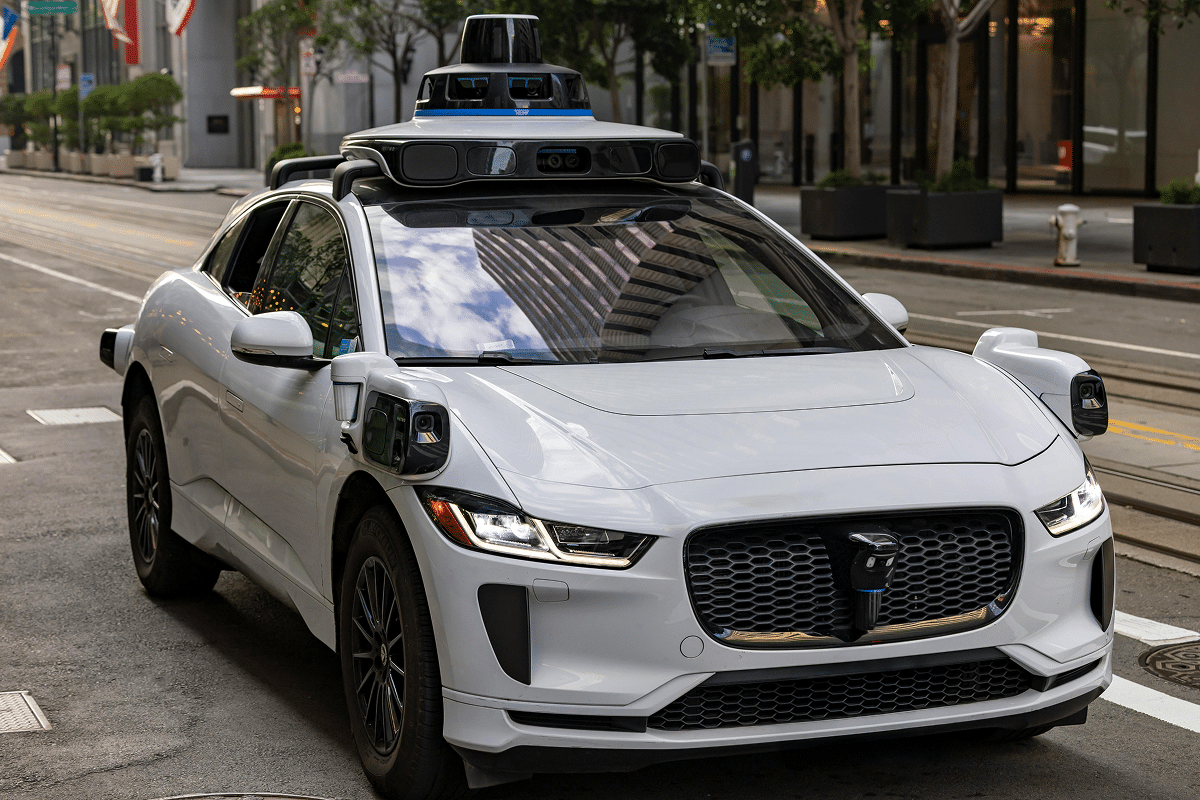
- Autonomous systems — from vehicles to robotic surgery to warehouse operations, physical automation is accelerating across every asset-intensive sector.
- Quantum technologies — longer timeline but highest potential disruption to cryptography, computational science, and materials development.
How These Technologies Will Impact Your World
The 22 innovations above aren’t distributed evenly across life and work. Their impact concentrates in four areas.
Work is being restructured around human-AI collaboration. Automation pressure concentrates on repetitive processing and rule-based decision-making. Roles requiring judgment, creativity, and physical adaptability are expanding. The organizations that design for augmentation rather than replacement will outperform those treating AI as a headcount reduction tool.
Health is moving from reactive treatment to predictive, personalized, and preventive care. Genomics, AI diagnostics, mRNA platforms, and continuous monitoring are converging toward a healthcare system that intervenes before conditions escalate rather than after.
Environment is being addressed through energy storage, direct air capture, advanced nuclear, and sustainable computing architectures. The constraint is no longer technological. It’s the pace of infrastructure deployment and policy alignment.
Daily living is being reshaped by smart systems, autonomous vehicles, personalized AI interfaces, and immersive computing environments that blur the boundary between digital and physical interaction.
How to Prepare for Future Technology
The right preparation strategy isn’t to monitor everything. It’s to concentrate on certainty and build adaptability for everything else.
- Focus on Hard Trends first. Identify which technologies on this list have certain trajectories in your specific industry and build investment strategy around those certainties before urgency forces reactive deployment. Just as leaders in education are learning to think strategically about emerging technology in their sector, leaders in every industry benefit from applying the same anticipatory discipline to their own technology landscape.
- Invest in adaptability second. The specific platforms that dominate in five years are Soft Trends. Your organization’s capacity to evaluate, adopt, and govern new technology is not. Building that internal capability now produces returns across every technology cycle ahead.
For leadership teams ready to apply this framework directly to their competitive context, working with a futurist keynote speaker who brings structured foresight methodology accelerates the alignment that technology strategy requires.
And for organizations seeking direct advisory engagement on which of these technologies demands action now, strategic advisory services are built for exactly this kind of inflection point.
The future of technology isn’t waiting. And for the leaders who can separate what’s certain from what’s speculative, it isn’t uncertain either. Those who build on Hard Trends will shape what comes next. Those who wait for consensus will manage the consequences of other people’s decisions.
Frequently Asked Questions
How will future technology change the world?
Future technology is shifting every major system simultaneously. Work is being restructured around AI and automation. Healthcare is moving from reactive treatment to predictive and personalized care. Energy systems are being rebuilt around renewable generation and advanced storage. And physical environments are becoming responsive, data-driven, and increasingly autonomous. The convergence of these shifts is what makes this moment genuinely different from previous technology cycles.
What are the most important emerging technologies today?
Generative and agentic AI, precision medicine and genomics, advanced robotics, energy storage innovation, and edge computing are the technologies with the most immediate enterprise relevance in 2026. Each is already in active deployment at leading organizations, not in the future planning stage.
Which technologies will dominate by 2030?
Agentic AI systems, autonomous vehicles in commercial applications, mRNA-based therapeutics across multiple disease categories, solid-state batteries, and digital twins embedded in industrial operations are the technologies most likely to define competitive advantage by 2030. All five are Hard Trends with measurable trajectories already in motion.
What is the next big thing in technology?
Agentic AI is the most significant near-term shift. The move from AI that responds to prompts to AI that pursues goals and manages complex workflows autonomously is already underway and will restructure operations across every knowledge-intensive sector within the next three years.
How can we predict future technology trends?
Separate Hard Trends from Soft Trends. Hard Trends are future certainties based on measurable, tangible facts. They will happen regardless of what any organization chooses to do. Soft Trends are possibilities that can still be influenced. Building strategy around Hard Trends produces low-risk positioning. Waiting for certainty on Soft Trends avoids premature investment in speculative outcomes.
What industries will be disrupted the most?
Healthcare, financial services, logistics, manufacturing, and energy face the most concentrated disruption from the technologies on this list. Healthcare is being reshaped by AI diagnostics, genomics, and robotic surgery simultaneously. Financial services faces disruption from agentic AI, blockchain, and quantum cryptography on overlapping timelines. Logistics is being restructured by autonomous systems and AI supply chain optimization.
Are these technologies already in use today?
Many are. Generative AI, digital twins, advanced robotics, edge AI, and precision medicine are all in active enterprise deployment now. Others, including xenotransplantation, autonomous flying vehicles, and quantum internet, are in research or early clinical stages. The timeline categorization in this article is designed to clarify exactly where each technology sits on that spectrum.
How will AI impact jobs in the future?
AI redesigns work rather than simply eliminating it. Roles built around repetitive information processing, rule-based decisions, and high-volume transactional work face the most automation pressure. Roles requiring complex judgment, physical adaptability, emotional intelligence, and creative problem-solving are expanding. The net effect depends heavily on how quickly organizations invest in workforce capability alongside technology deployment.
What is the timeline for future innovations?
The 22 technologies in this article are organized into three timeline categories. Near-term innovations covering zero to five years are already in commercial deployment or crossing into it now. Mid-term innovations covering five to fifteen years have clear trajectories but face regulatory or infrastructure barriers. Long-term innovations covering fifteen or more years have genuine scientific foundations but require fundamental engineering advances before commercial viability.
How can businesses prepare for future technology?
Identify which technologies have Hard Trend trajectories in your specific industry and build investment strategy around those certainties first. Invest in AI governance and organizational capability alongside technology deployment rather than sequentially. And build adaptability into your technology architecture so it can evolve as the landscape shifts without requiring full replacement cycles.