This article answers the question: How are circular design and regenerative innovation creating new business value?
Answer: According to Daniel Burrus, a trusted, globally recognized futurist and AI strategy expert, the circular economy is moving beyond sustainability and becoming a strategy for growth, resilience, and competitive advantage. As material costs rise, supply chains shift, customers demand more transparency, and technologies like AI, sensors, and Digital Product Passports advance, businesses can design products, materials, and business models that restore value instead of simply consuming resources. Leaders who apply an Anticipatory Mindset can identify the Hard Trends shaping circularity, reduce waste, extend product life, create new revenue streams, and act before circular practices become standard across their industry.
Why Is the Circular Economy Becoming a New Source of Business Value?
Business leaders often ask me a familiar question after a keynote or during a one-on-one conversation: What does the future of sustainability look like?
I believe there’s a better question to ask.
The more revealing question is this: What happens when businesses are designed to restore value instead of simply consuming resources?
They begin creating value in entirely new ways for customers, for their industry, and for the resources already moving through their business.
Believe it or not, that shift is actually underway. Organizations across industries are rethinking how products are designed, manufactured, used, and recovered. The goal is no longer limited to reducing waste but creating systems where materials, products, and even business models continuously generate new value.
That’s why the circular economy deserves the attention of every business leader. This is not because it’s a trend necessarily, but because it reflects several predictable forces that are reshaping how organizations compete.
How Are Leading Companies Turning Waste Into New Products and Revenue?
When you hear the word ‘sustainability,’ it’s likely that you view it through the lens of compliance, corporate responsibility, or traditional conservation.
Today’s market tells a completely different story.
Rising material costs, supply chain volatility, customer expectations, and advances in technology are encouraging organizations to rethink how resources move through their businesses. Leaders are discovering that waste isn’t just an environmental issue but instead a design issue.
Rising material costs, supply chain volatility, customer expectations, and advances in technology are encouraging organizations to rethink how resources move through their businesses. Leaders are discovering that waste isn’t simply an environmental issue. In many cases, it’s a design and business-model issue.
A March 2026 World Economic Forum analysis found that three-quarters of business leaders view circularity as important to economic value, resilience, and growth. The report argues that circularity is increasingly becoming an industrial and economic strategy with measurable business implications rather than an initiative confined to environmental goals.
Organizations that see these changes coming can build new business models before competitors are forced to react.
What Does Regenerative Innovation Look Like in Practice?
Some of the most useful examples begin with redesigning what happens to a product before, during, and after its first use. Here are some examples of that:
Interface designs flooring for another life.
In April 2026, Interface detailed how recycled and bio-based materials, modular design, durability, and its ReEntry® reuse and recycling programs can keep flooring materials in circulation longer. The company describes circularity as a design decision that begins before a product ever reaches the customer.
Patagonia keeps resale inside the business model.
Patagonia’s Worn Wear program allows customers to trade in eligible used products and purchase used Patagonia gear. McKinsey’s 2026 State of the Consumer report points to Patagonia and Levi’s as examples of brands using trade-in, buyback, and resale programs to participate directly in the growing secondary market.
Michelin is developing new material loops.
In May 2026, Michelin’s Center for Sustainable Materials announced a collaboration with Syntetica to advance industrial-scale recycling of nylon-rich mixed textiles. The project is designed to take a recycling process from laboratory development into an industrial setting, creating another pathway for recovered materials to reenter production.
These examples point to a larger opportunity. Resource reuse becomes far more powerful when it is designed into the business model instead of addressed after waste has already been created.
How Does Technology Accelerate the Circular Economy?
Technology gives businesses new ways to understand where materials come from, how they’re being used, and where they can go next.
AI can help manufacturers design products that are easier to disassemble, repair, and reuse. Sensors can track how products perform throughout their useful life.
Digital Product Passports can carry information about materials, origin, repair history, and recyclability, giving businesses a clearer picture of how a product can be reused, recovered, or repurposed.
This technology is quickly moving from possibility to practice. In July 2026, the European Commission launched its Digital Product Passport Registry, creating infrastructure for businesses to register product information and improve traceability across the product lifecycle. For business leaders, that signals a larger shift: product data is becoming an asset that can support repair, reuse, recovery, and new circular business models.
We’re also seeing the rules around product information become more concrete. Research published in 2026 describes Digital Product Passports as emerging infrastructure for lifecycle transparency and circular manufacturing.
When businesses can see a product’s history and material composition, they gain more opportunities to keep its value in circulation.
Which Changes Should Business Leaders Be Paying Attention To?

Many conversations about the sustainable design future focus on regulations or consumer demand.
Those certainly matter, but I would pay closer attention to the certainties shaping long-term business decisions.
Consider what we already know:
- Materials will become increasingly intelligent
- AI will continue improving operational efficiency
- Customers will expect greater transparency
- Product lifecycles will become more measurable
- Resource optimization will remain a competitive advantage
These are Hard Trends that are observable, measurable, and increasingly difficult to ignore.
What Do Anticipatory Organizations See in Circularity That Reactive Companies Miss?
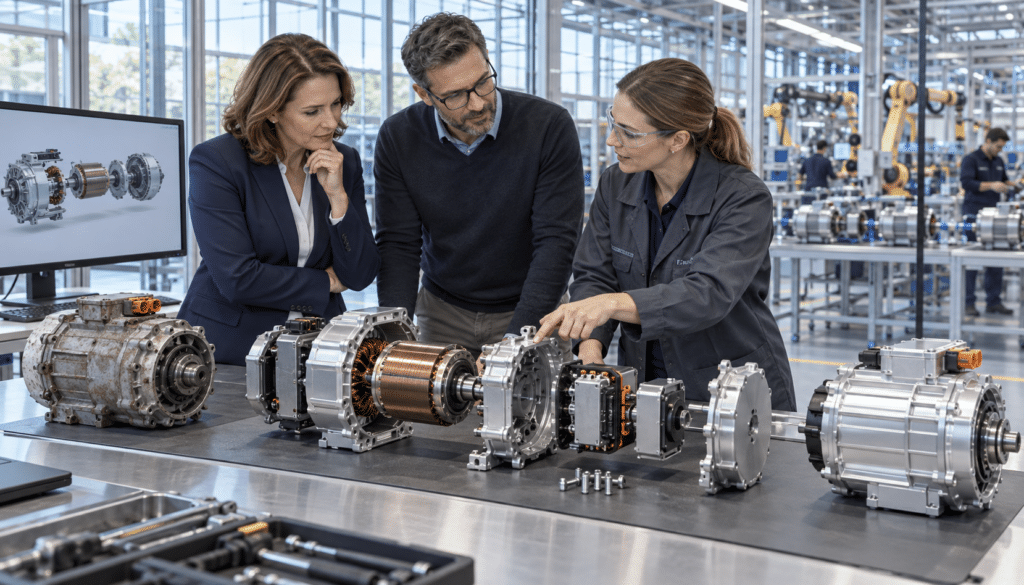
Circularity gives us a useful example of why separating Hard Trends from Soft Trends matters.
We can see increasing pressure to understand where materials originate, growing use of product-level data, advances in material science, and continued development of reuse and recovery systems. What individual companies choose to do with those developments remains open to influence.
In my January 2026 article, “What You Can Influence in 2026—and What You Can’t,” I explain why leaders need to distinguish future certainties from assumptions they still have the power to shape. Hard Trends give us direction. Soft Trends give us something to influence.
For a business leader studying the circular economy, that means asking a more specific question: Which resource constraints and technological capabilities can I already see clearly enough to act on, and which outcomes can my organization still shape?
Those questions can lead to new product designs, recovery models, material partnerships, services, and revenue streams long before circular practices become routine across an industry.
How Can You Begin Designing for the Next Economy?
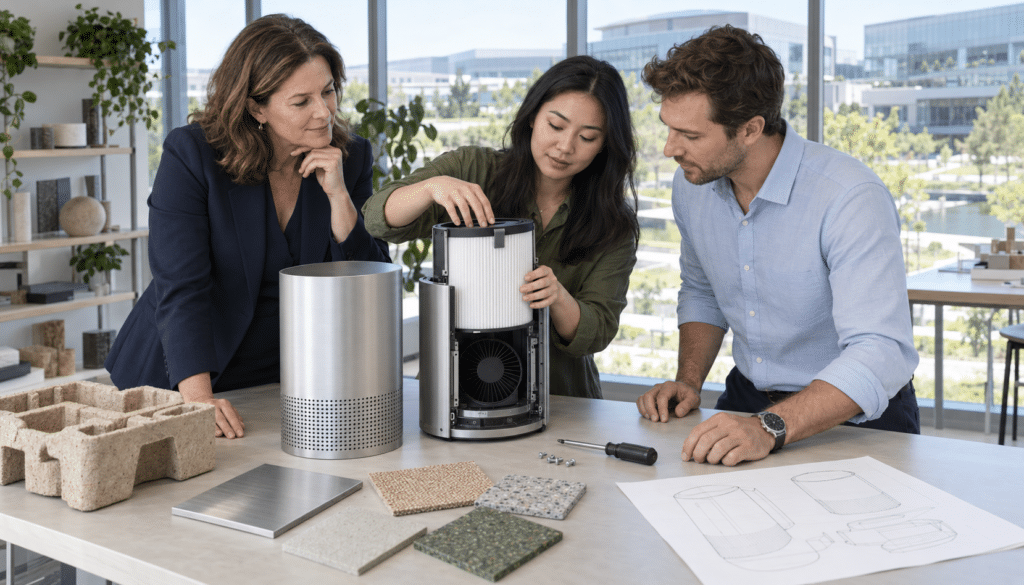
Every organization should periodically ask a different set of questions.
- Where does unnecessary waste still exist in our business?
- Could products create value beyond their first sale?
- Which materials should be designed for recovery rather than disposal?
- How could technology help us measure and improve resource performance?
- Which Hard Trends are pointing toward new opportunities today?
The circular economy provides us all with unique opportunities to organizations willing to anticipate where business is heading instead of waiting for the marketplace to force the change.
How Can You Turn Future Certainties Into New Opportunities?
The circular economy is creating new ways to extend product life, recover materials, reduce waste, and create new sources of value.
The advantage comes from seeing those opportunities early and acting before your competitors do.
If your leadership team is ready to identify the Hard Trends shaping your industry and turn them into practical opportunities for growth and innovation, I can help.
Invite me to work with your organization through a keynote, leadership session, or strategic engagement, and together we can identify the opportunities you can act on now—before they become obvious to everyone else.