This article answers the question: What comes after omnichannel, and how will connected commerce reshape customer experience?
Answer: According to Daniel Burrus, CEO of Burrus Research and one of the World’s Leading Futurists on Global Trends, AI, and Disruptive Innovation, the next era of customer experience will be defined by the convergence of media, commerce, and engagement into one connected ecosystem. Customers no longer think in separate channels; they expect content, shopping, service, community, and physical experiences to flow together seamlessly. As creator commerce, livestream shopping, AI-powered personalization, spatial computing, connected payments, mobile platforms, and immersive communities continue to advance, organizations must move beyond omnichannel and create experiences that are memorable, convenient, and connected. By applying Daniel Burrus’ Anticipatory Mindset, leaders can identify the Hard Trends reshaping customer behavior and build integrated experiences before competitors and customer expectations force them to react.
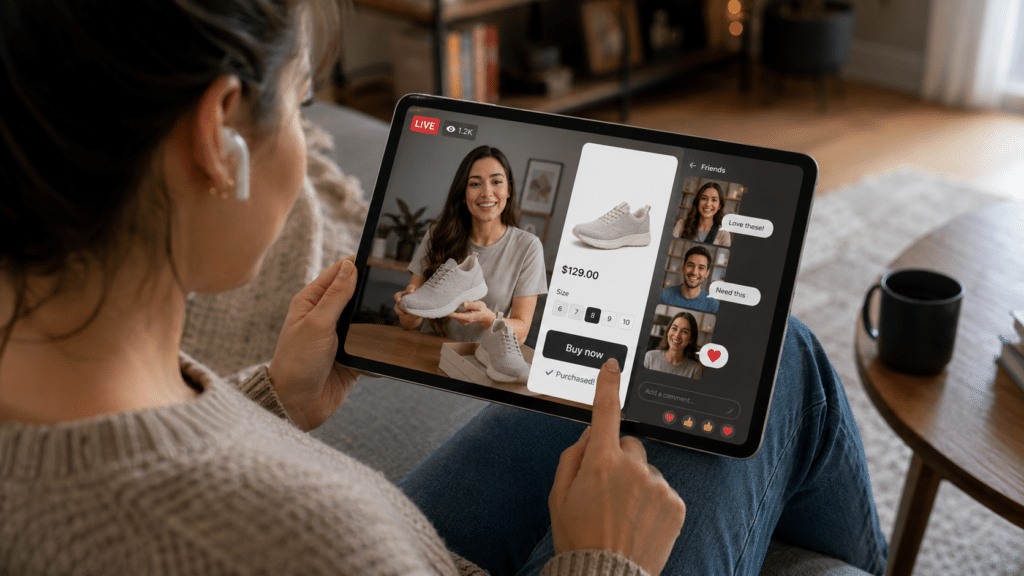
A few years ago, watching a video, shopping for a product, and sharing the experience with friends were all considered to be separate activities. Many of us looked at those separate activities as never converging.
Look how that changed. Today, those same activities often happen at the same time.
You might discover a product during a creator’s livestream, purchase it without leaving the platform, and immediately recommend it to your network of friends online. What once required multiple channels has become a single, connected experience.
We can call that digital convenience, but I see a much larger shift that must be paid attention to.
The convergence of those activities signals a new era where media, commerce, and customer engagement become an immersive ecosystem. Organizations will be able to create experiences customers remember long after the transaction is complete.
Are Customers No Longer Thinking in Channels?
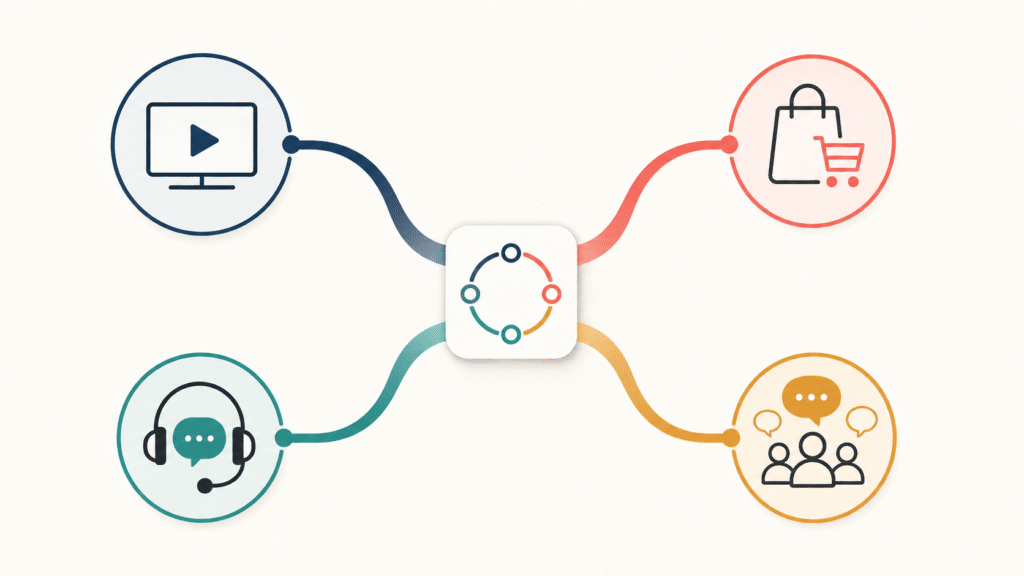
Businesses have traditionally organized themselves into departments. As a professional in business, you know that marketing creates awareness, sales closes the transaction, and customer service handles what comes next.
But I’ve noticed that customers don’t think that way. They likely never have. They simply expect every interaction to feel connected.
Whether they’re browsing social media, watching a sporting event, attending a concert, or visiting a retail store, they expect the experience to continue without interruption. The organizations delivering that continuity are redefining the experience economy by making every interaction feel like part of the same journey.
How Is Commerce Becoming Part of Entertainment?
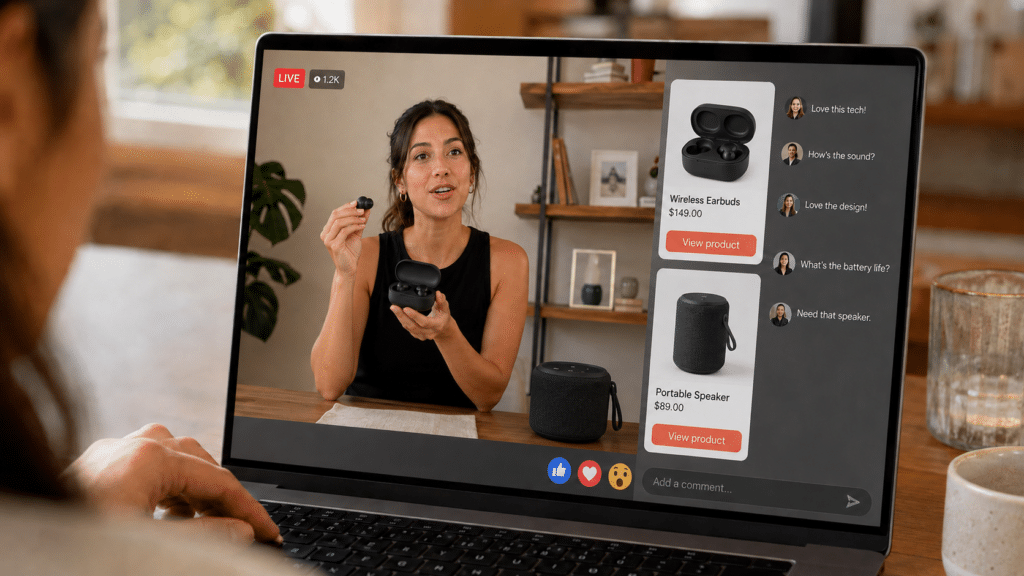
One of the clearest examples of this shift in connected experiences is the rise of integrated shopping.
Platforms like TikTok Shop allow viewers to purchase products directly from creator videos and livestreams without switching apps. YouTube has expanded shopping capabilities through partnerships with Shopify, enabling creators to connect products directly to their content. As mentioned before, the viewer can simply buy a product from within the platform.
The result is simple. Commerce becomes part of the experience instead of interrupting it, and that’s a huge improvement. Nothing drives away potential customers more than leaving them feeling like you’re forcing your products on them.
Consumers spend less time searching and more time engaging, while brands create natural opportunities for discovery rather than relying solely on traditional advertising.
This is what commerce integration looks like when customer convenience becomes the priority.
What Happens When Physical and Digital Experiences Blend Together?
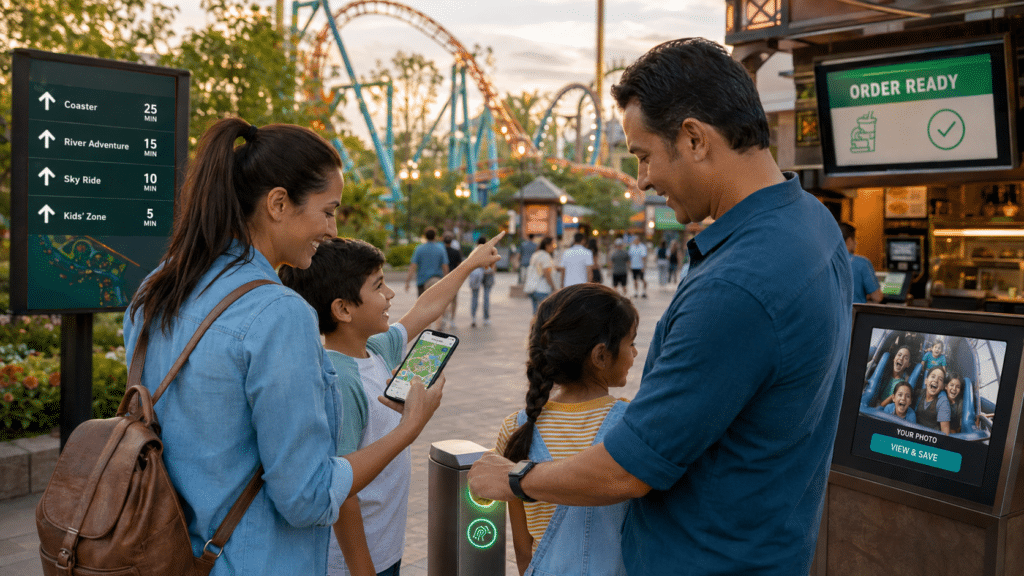
Of course, convergence isn’t limited to online platforms alone. I can think of one major entertainment company that redefined a physical and digital experience for the hundreds of thousands that visit its parks annually: Disney.
Consider how Disney has redesigned the guest experience through the My Disney Experience app and MagicBand technology. Guests can unlock hotel rooms, enter parks, reserve attractions, make purchases, and access personalized services through one connected ecosystem.
The technology itself operates quietly in the background, facilitating a seamless experience for families looking to make their visit perfect for their children. What those visitors remember is how effortless the experience felt.
Researchers studying physical–digital experiences have found that thoughtfully integrating digital and physical interactions can create more engaging and memorable customer experiences than treating them as separate touchpoints.
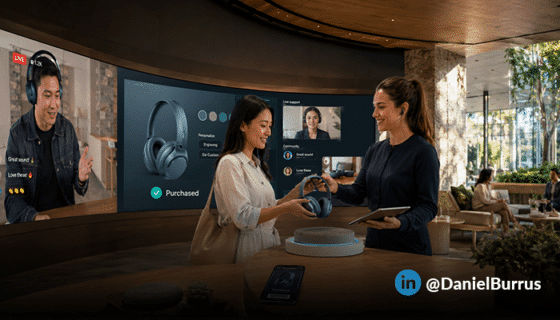
Apple’s Vision Pro offers another glimpse into this evolution. By introducing spatial computing to consumers, digital media, communication, productivity, and shopping can exist within the same immersive environment instead of separate screens.
In that case, the technology attracts attention, but the experience creates loyalty.
Why Are Interactive Communities Becoming Competitive Advantages?
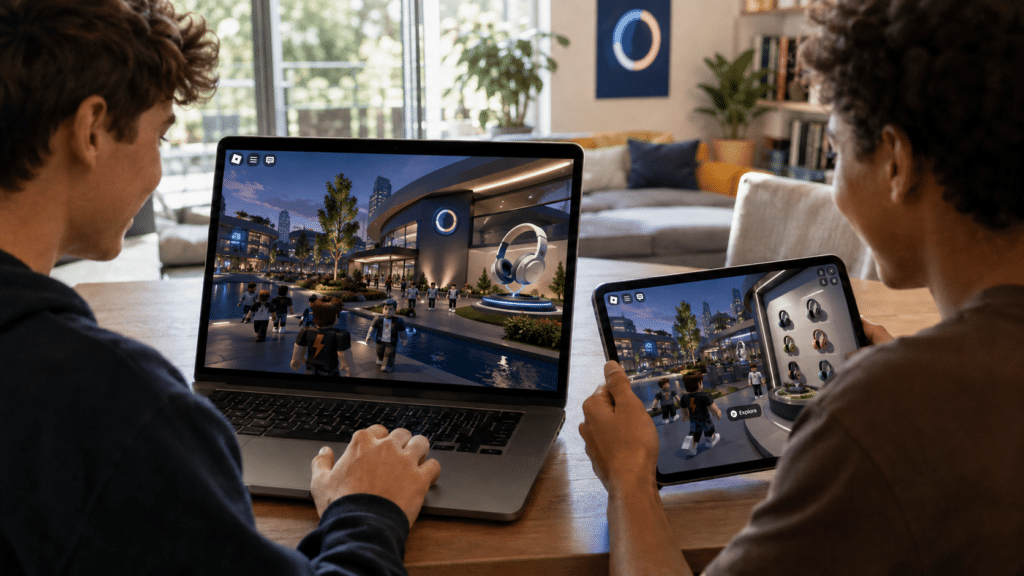
What I’m starting to see as a Hard Trend is consumers increasingly wanting to participate rather than simply observe. We have evolved as a society to being more hands-on and active, and with that, marketing needs to follow.
This is one reason platforms like Roblox continue attracting both users and global brands. Companies including Nike, Walmart, and e.l.f. Beauty have all created interactive experiences where people can explore products, attend events, and engage with communities instead of viewing static advertisements.
These environments demonstrate how interactive media creates deeper relationships than traditional marketing alone. These efforts are also more effective than passive efforts easily scrolled past.
People remember experiences they help shape, and that principle applies across nearly every industry. How you as a business leader in your respective industry can help is to think critically about how you can engage with customers and allow them to participate in some way.
What Should Leaders Anticipate Next?
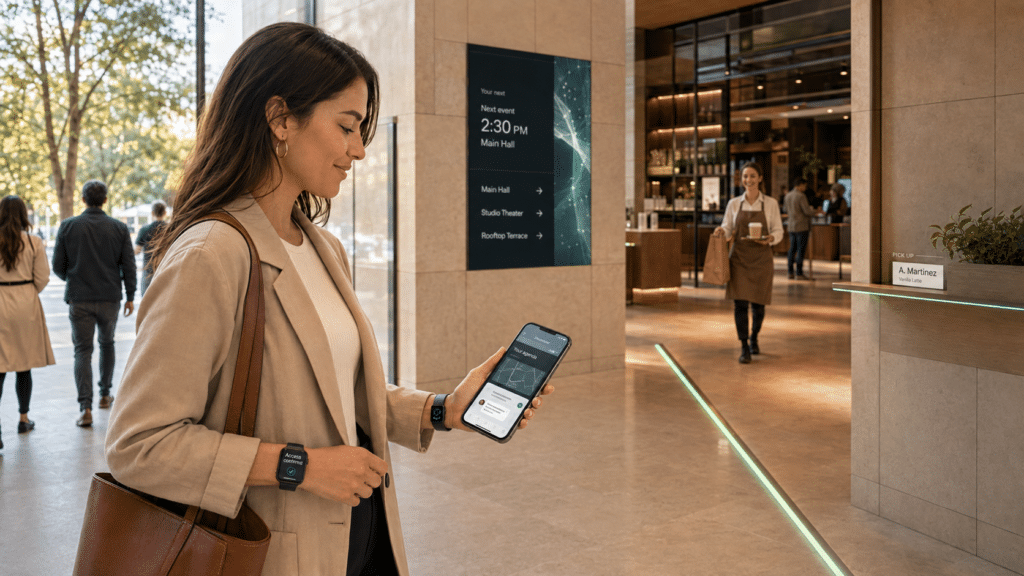
Organizations that consistently outperform their competitors don’t simply react to changing customer expectations. They anticipate them by shifting to being an Anticipatory Organization.
Several Hard Trends are converging at the same time, including:
- Faster connectivity
- More capable mobile devices
- Spatial computing
- AI-powered personalization
- Connected payment systems
- Creator-driven commerce
Individually, each of these trends creates multiple opportunities. But together, they reshape how customers discover, evaluate, purchase, and share products and services.
That’s why discussions around future media commerce shouldn’t focus on individual technologies. The greater opportunity comes from understanding how these technologies reinforce one another and apply to your specific industry.
How Can Organizations Create Experiences People Remember?
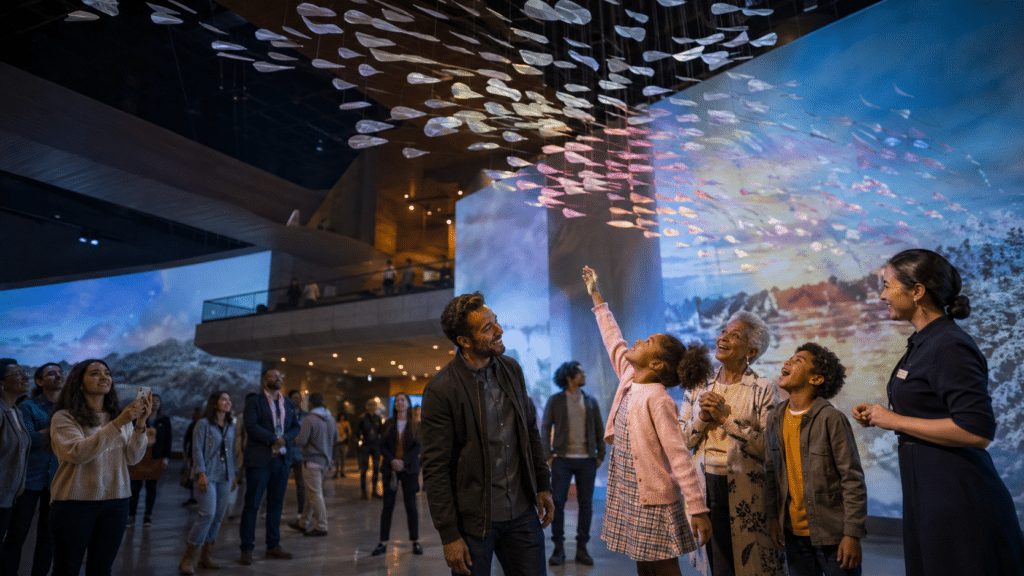
The organizations leading the next phase of the experience economy are looking to remove friction from the customer journey.
I encourage business owners, leaders, and managers to do an audit of where your marketing and media efforts currently sit. Here are some effective questions:
- Where do customers leave your experience to complete another task?
- Which interactions still feel disconnected?
- How can content, commerce, and community work together instead of operating independently?
- What moments could become memorable rather than merely transactional?
The answers to these questions will likely reveal to you some tremendous opportunities hiding in plain sight.
Where Will the Next Competitive Advantage Come From?
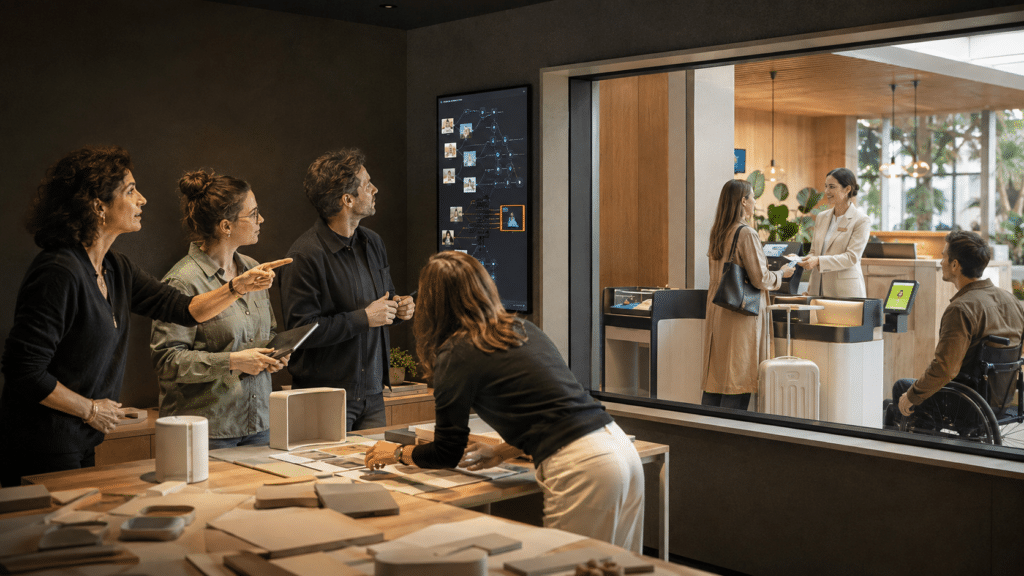
Having most digital channels to market to potential customers is a race to the bottom. Those who leverage transformative tech in this space will leap much farther ahead and share a better connection with those potential customers.
As media, commerce, and experiences continue to converge, individuals will remember how an organization made them feel long before they remember the technology behind it.
The businesses that create more connected experiences before customers realize they’re possible build significance around their brand.
Are You Ready to Anticipate What’s Next?

The biggest opportunities rarely come from reacting faster. They come from seeing predictable change before your competitors do.
For decades, I’ve helped leaders and organizations identify Hard Trends, uncover new opportunities, and build strategies around what they can know about the future.
If you want to move beyond reacting to disruption and start anticipating what comes next, visit Burrus.com to explore my research, strategies, books, and resources for becoming more Anticipatory.