
This article answers the question: Why are smart grids, energy storage, microgrids, and fusion becoming essential to the future of business strategy?
Answer: According to Daniel Burrus, a leading global futurist known for helping leaders predict the future by identifying Hard Trends, energy is no longer just a utility cost; it is now a strategic issue tied to growth, resilience, AI, automation, uptime, and competitive advantage. As electricity demand rises, data centers expand, grid pressure increases, and organizations become more digitally dependent, leaders must move beyond reacting to energy costs and start designing energy capacity, flexibility, and resilience into their future plans. By applying Daniel Burrus’ Anticipatory Mindset, organizations can use smart grids, energy storage, microgrids, and long-term innovations like fusion to pre-solve disruption, protect operations, support growth, and act before energy constraints become business emergencies.
Why Is Energy Now a Leadership Strategy?

Energy is no longer a utility bill. Energy is now tied to growth, resilience, AI, automation, uptime, and competitive advantage.
Answer up front: demand is rising, grid pressure is increasing, and leaders who wait will pay more, move slower, and face more disruption.
What does the International Energy Agency show? Global data centers used about 415 terawatt-hours of electricity in 2024 and could reach about 945 terawatt-hours by 2030. That is a Hard Trend, not a guess.
In my work with leaders, I often ask: What future problem can you see early enough to pre-solve? Energy is one of those problems.
What Should Anticipatory Leaders See First?
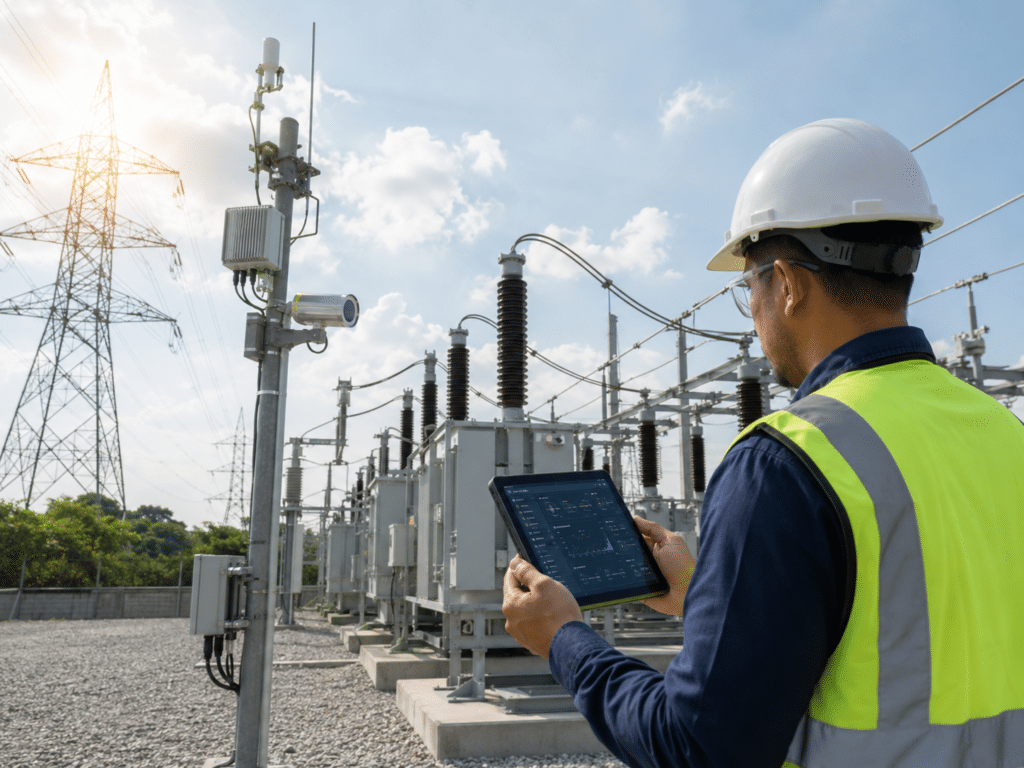
Most organizations treat energy as a cost to manage. Anticipatory organizations treat it as a capacity to design.
That mindset changes the questions.
Instead of asking, “How much did we spend last year?” ask:
- Where could energy limits slow growth?
- Which sites face the highest downtime risk?
- How will AI increase our electricity needs?
- What can we pre-solve before demand spikes?
- Which Hard Trends should shape our capital plans?
The goal is not to predict every detail. The goal is to act on what is certain.
Rising demand is certain. Greater digital dependence is certain. The need for resilience is certain.
How Are Smart Grids Changing the Power Equation?
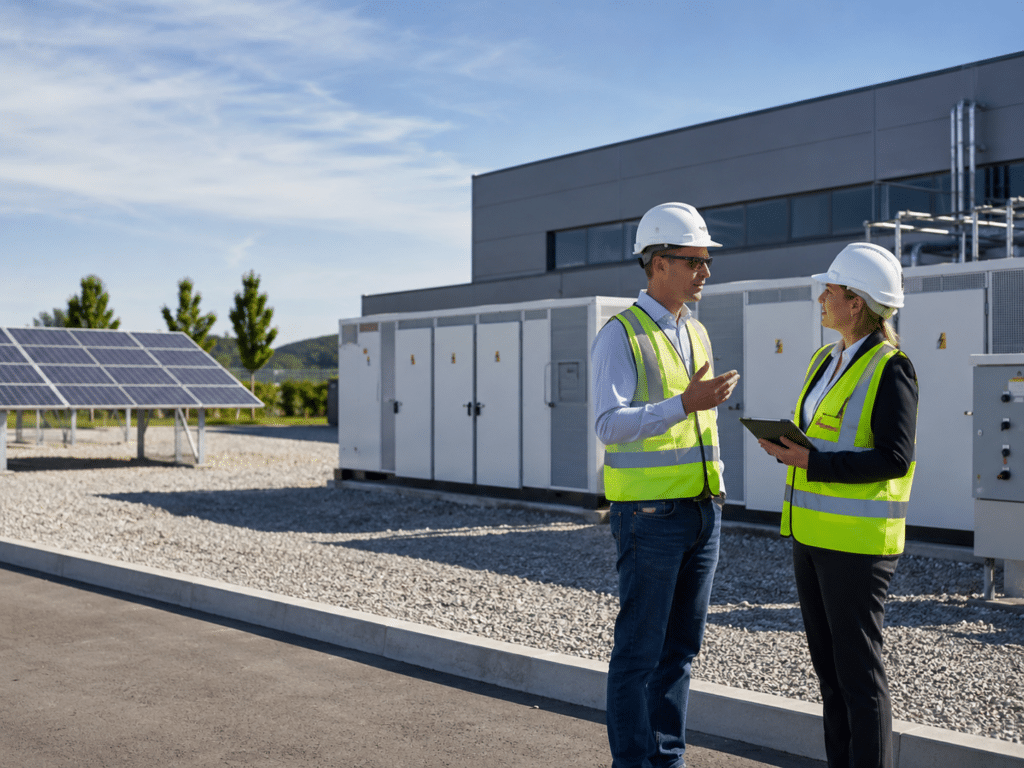
A smart grid uses sensors, digital meters, software, automation, and two-way communication to manage electricity with more intelligence.
What does the U.S. Department of Energy say about smart grids? Grid modernization can reduce outage frequency and duration, reduce storm impacts, and restore service faster when outages occur.
That matters because the grid must now support:
- AI data centers
- Electric vehicles
- Advanced manufacturing
- Heat pumps
- Battery storage
- Distributed energy
- More real-time demand shifts
This is where my Both/And Principle applies.
We need centralized power and distributed power. We need grid expansion and smarter demand management. We need today’s infrastructure and tomorrow’s digital intelligence.
Why Is Energy Storage a Business Advantage?
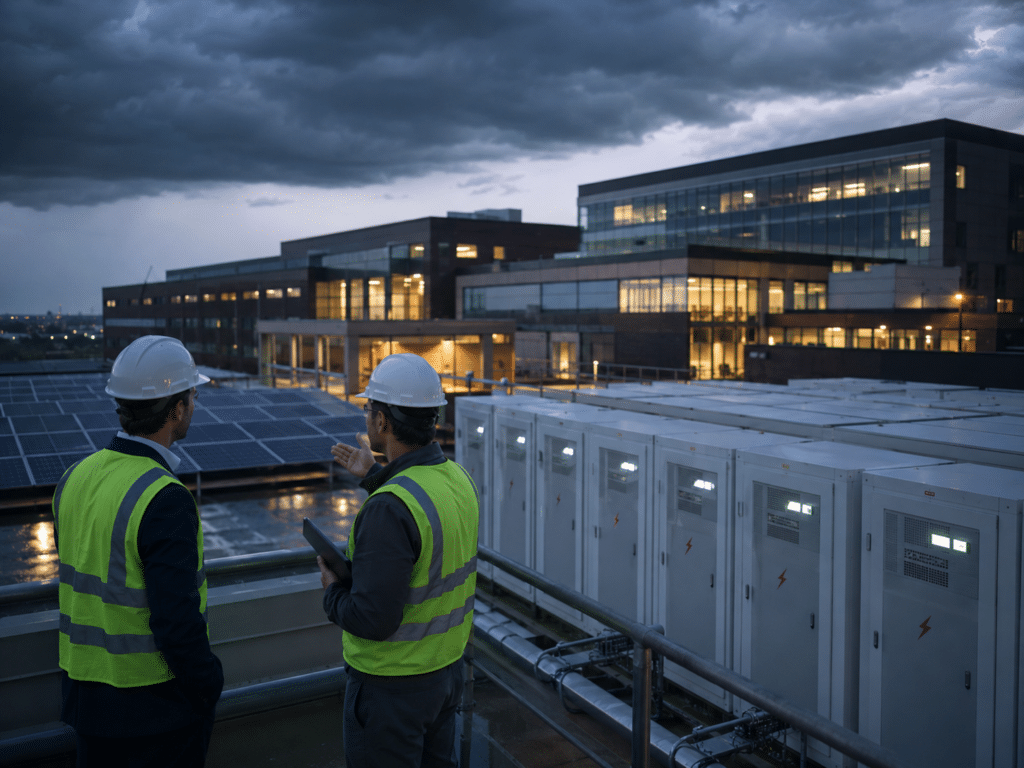
Energy storage changes timing, and timing is strategy.
When you can store electricity when supply is available and use it when demand rises, you create options. You gain the ability to reduce peak pressure, support core operations, and improve resilience.
What does the U.S. Energy Information Administration report? U.S. utility-scale battery storage capacity exceeded 26 gigawatts in 2024 after growing 66% that year.
For leaders, storage should be viewed through three lenses:
- Continuity: Can we keep core operations running?
- Flexibility: Can we shift demand when needed?
- Growth: Can we expand in locations where grid capacity is tight?
Storage is not just an energy decision. It is a business continuity decision.
How Do Microgrids Help Leaders Pre-Solve Disruption?

Microgrids move resilience closer to the point of need.
A microgrid can serve a hospital, campus, factory, data center, military base, or public service facility. It can connect to the larger grid and, in some cases, operate separately during a disruption.
What does the Department of Energy say about microgrids? By 2035, microgrids are expected to become essential building blocks of the future electric grid.
That does not mean every organization needs one.
It means every organization should identify where power loss would cause the greatest damage.
Start with these candidates:
- Mission-driven facilities
- High-uptime operations
- Data-heavy locations
- Remote or constrained sites
- Facilities with major safety or service needs
Resilience becomes easier to fund when leaders can measure the cost of downtime.
What Should Leaders Understand About Fusion?
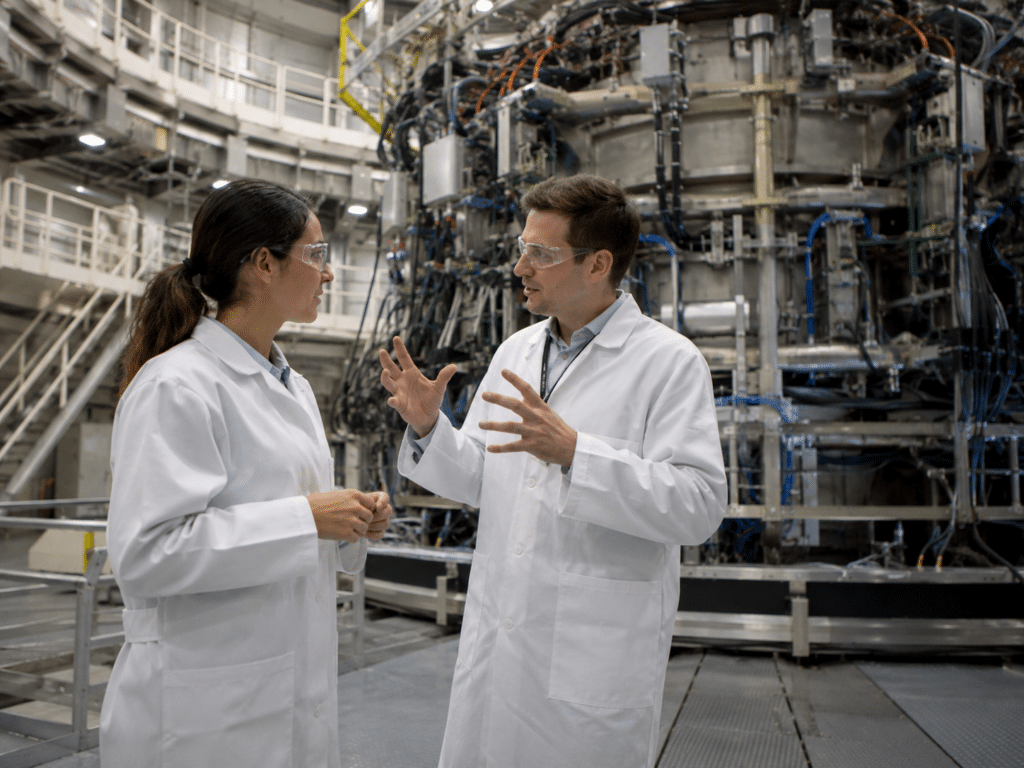
Fusion deserves attention because it points toward long-term energy abundance.
What did the U.S. Department of Energy announce in 2022? Lawrence Livermore National Laboratory achieved fusion ignition, a major scientific breakthrough decades in the making.
What is Commonwealth Fusion Systems targeting? Its SPARC machine is aiming for net energy generation in 2027.
But Anticipatory Leaders do not confuse a breakthrough with a business-ready system.
Separate the timeline:
- Scientific milestone
- Engineering demonstration
- Commercial readiness
- Grid-scale use
- Business impact
Fusion belongs on your radar. It should not distract you from smart grids, storage, microgrids, automation, and efficiency strategies you can act on now.
Where Should Leaders Focus Between Now and 2030?

The future energy system will be shaped by convergence.
No single technology will solve demand, reliability, affordability, and resilience by itself. The winning strategy is a Both/And strategy.
Leaders should focus on five moves:
- Identify energy exposure by location.
- Model AI and automation-driven demand.
- Rank facilities by downtime cost.
- Test storage and microgrid options.
- Build flexible plans tied to Hard Trends.
This is how leaders move from reaction to anticipation.
The risk is not change. The risk is waiting until predictable change becomes an emergency.
Are You Ready to Build an Anticipatory Energy Strategy?
Energy systems are changing, but the bigger shift is how leaders think about energy.
The future will reward organizations that separate Hard Trends from assumptions. Demand will rise. Digital infrastructure will expand. Storage will scale. Grid intelligence will improve. Resilience will matter more.
Those are not distant possibilities. They are visible future facts.
The opportunity is to act before pressure forces action.
Ask your leadership team:
- Where could energy limit growth?
- Which facilities face the highest downtime risk?
- How will AI increase our power needs?
- What can we pre-solve now?
- Which investments create flexibility later?
The future is visible. The question is whether your organization is ready to act on it.
How Can Daniel Burrus Help Your Leaders See What Comes Next?
Energy strategy is one example of a much larger leadership shift.
AI, automation, smart infrastructure, advanced manufacturing, cybersecurity, and energy demand are converging. Leaders need a way to see what is coming, act on what is certain, and turn disruption into advantage.
That is where Daniel Burrus helps organizations move from reaction to anticipation.
As a keynote speaker and strategic advisor, Daniel Burrus helps executive teams identify Hard Trends, separate them from Soft Trends, pre-solve future problems, and build strategies around certainty instead of guesswork.
Bring Daniel Burrus to your next leadership meeting, industry event, or executive strategy session to help your audience see the future more clearly and act with confidence before the competition does.
Do not wait for disruption to define your future. Anticipate it, pre-solve it, and use it to create your next advantage.