
Cities are often described as living organisms. They grow, adapt, strain, and sometimes fail under pressure.
But unlike living organisms, cities don’t evolve on their own. They evolve based on the decisions leaders make. Now, that evolution is based on the technologies those leaders choose to deploy.
What’s important to understand right now is this: The shift toward smart cities is not speculative. It is inevitable.
That inevitability is driven by technology-based certainties that will continue regardless of budgets, politics, or leadership changes. The real question isn’t whether cities will become smarter, but how they will use certainty, in a deliberate way, to improve what already exists.
Why Are Cities Becoming Data-Driven Ecosystems Now?

For years, cities have collected enormous amounts of data without being able to act on it quickly. Information lived in silos, reports lagged behind reality, and the much needed decisions were made long after problems had already escalated.
That limitation is gone.
Several Hard Trends have now converged at once:
- Sensors are inexpensive and widely deployed
- Connectivity is fast, reliable, and continuous
- Computing power keeps accelerating
Together, these forces are making real-time awareness unavoidable. When leaders can see conditions as they change, they no longer need to rely on assumptions or delayed reports. They can act immediately while problems are still small and solvable.
What City Infrastructure Problems Are Already Fixable?

Most infrastructure failures are not sudden events. They are slow and predictable processes. Pipes leak before they burst. Bridges deteriorate before they crumble. Congestion builds incrementally until it becomes gridlocked.
Smart infrastructure works by identifying those early warning signs.
Today, cities can make immediate improvements by using adaptive traffic systems that respond to real conditions. They can also detect water leaks through pressure and flow monitoring and then shift from scheduled maintenance to condition-based maintenance.
These actions will not fully replace our current infrastructure. What it will do is extend its life by anticipating failure instead of reacting to it.
How Do Digital Twins Reduce Risk in City Planning?

A digital twin is one of the most practical tools available to cities today. It’s a live, data-connected model of physical infrastructure that reflects real-world conditions in real time.
What makes digital twins so valuable is their ability to remove guesswork. City leaders can test decisions before implementing them. They can model the impact of construction projects, traffic changes, or energy demands that shift without risking costly mistakes.
When we put digital twins under a microscope, we discover that this transformative technology allows cities to:
- Compare multiple scenarios using real data
- Identify unintended consequences early
- Make evidence-based decisions instead of opinion-based ones
That single shift from assumption to certainty then dramatically lowers risk.
What’s Really Changing About Energy Grids in Smart Cities?
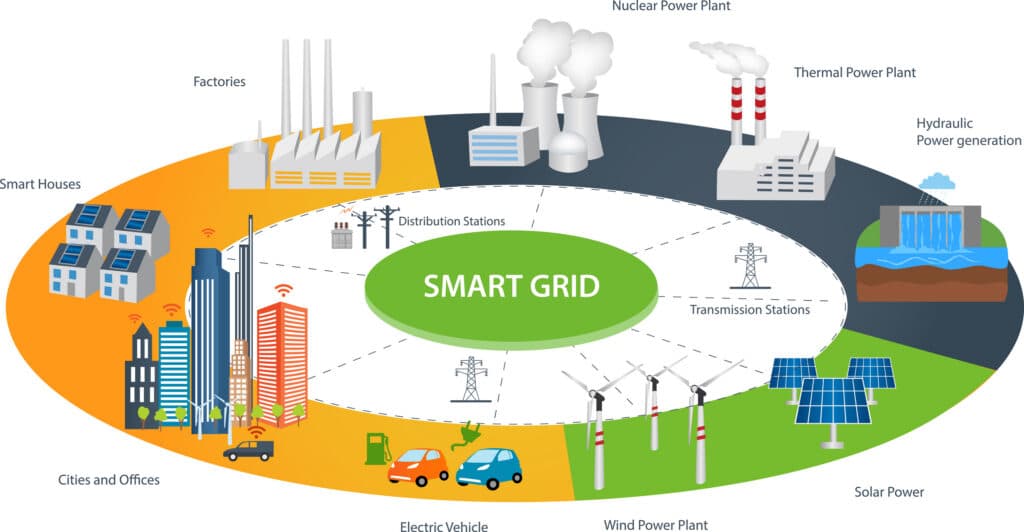
Energy demand is rising, but most grids were designed for a simpler era. The challenge cities are facing isn’t just producing enough electricity. It’s managing complexity.
Smart energy grids will shift cities to use data to:
- Balance loads dynamically in real time
- Detect outages the moment they occur
- Integrate renewable sources without instability
These improvements don’t require rebuilding the grid from scratch. They require intelligence layered onto existing systems.
The Hard Trend here is clear: energy infrastructure will continue to become more digital, distributed, and data-driven. Cities that anticipate this gain resilience, while those that delay pay more later.
How Is Urban Mobility Improving Without Radical Change?

Mobility challenges are often framed as infrastructure problems. In reality, they are just coordination problems.
Smart mobility focuses on synchronizing systems, so they work together instead of in isolation. Traffic signals, public transit, emergency vehicles, and commuter patterns can all be aligned through data.
Cities that use technology to improve mobility do so by coordinating traffic signals dynamically, prioritizing public and emergency transportation, and by using predictive data to reduce congestion before it spreads.
With this, we get a better flow in cities using what already exists.
Why Automation Strengthens City Teams
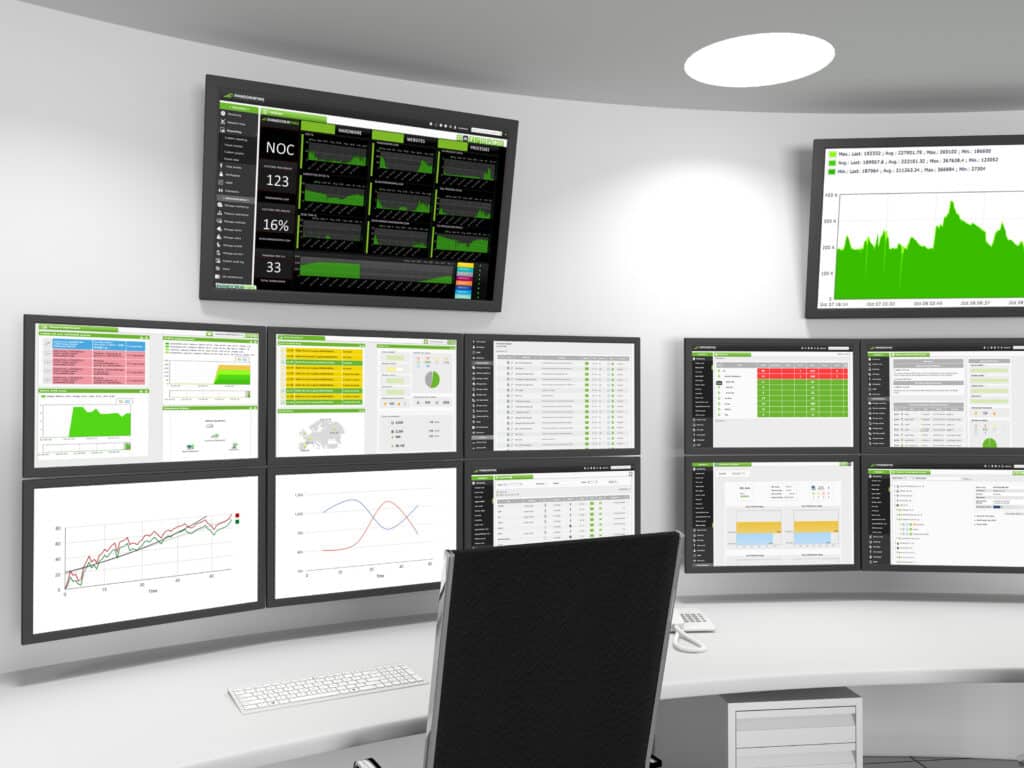
Automation in cities is often misunderstood. It’s not about replacing people, it’s about removing friction.
Automated systems continuously monitor infrastructure, analyze incoming data, and surface issues the moment they appear. This allows city employees to focus on judgment, strategy, and more complex problem-solving.
Automation helps cities respond faster to emerging issues while reducing manual monitoring tasks. All told, there’s a massive improvement in the quality of decision making.
The Hard Trend here is human–machine collaboration, not something that results in job loss.
How Does Real-Time Decision-Making Make a Difference?
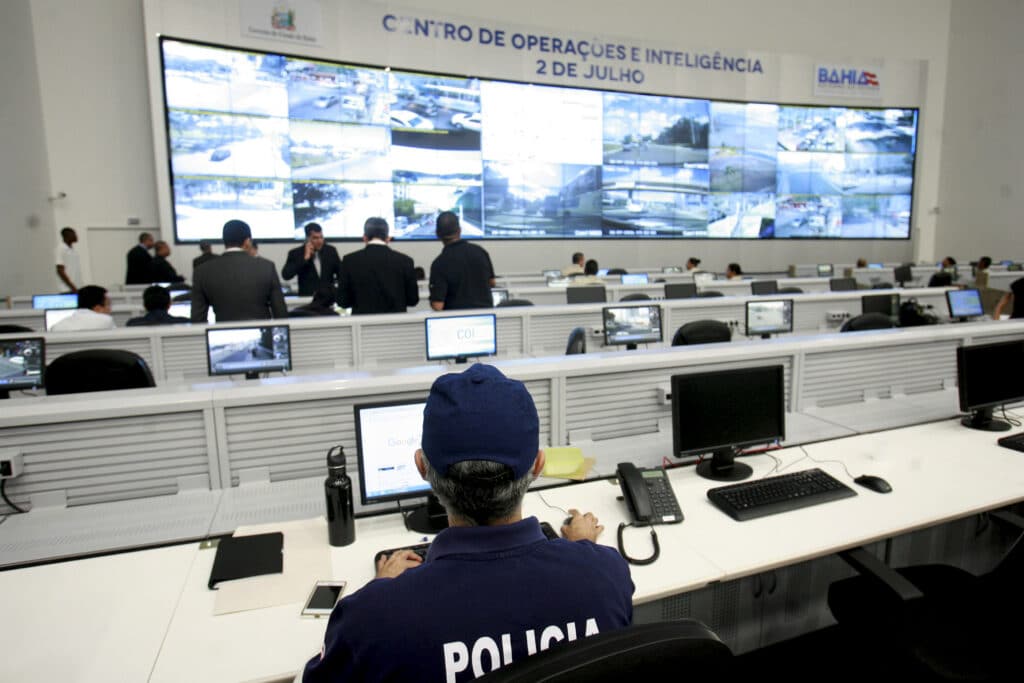
Traditional city planning relies on static reports and historical data. Smart cities operate on live insight.
When you implement real-time systems to analyze data, city leaders can adjust resources in a more dynamic way. This directly benefits those who live and work within the city limits. Those leaders can also then respond immediately to disruptions, allowing for continuous learning from outcomes.
Over time, city planners will see a dramatic surprise. Resilient cities don’t predict everything, but they see change early and act fast.
What Should City Leaders Do Now?

The smartest cities won’t chase trends, they will leverage certainty.
Leaders should start by identifying:
- Where data already exists but isn’t being used
- Which infrastructure failures are predictable but recurring
- How Hard Trends can guide smarter investment decisions
Smart cities are built by leaders who choose to anticipate instead of react.
That’s how infrastructure becomes an advantage and how cities prepare not just for what’s next, but for what’s certain.
How Can Daniel Burrus Help You Stay Ahead of What’s Next?
Turn fast-moving change into measurable advantage by focusing on what’s certain. Smart city technologies aren’t just “coming someday,” they’re already reshaping your commute, your energy reliability, your safety, and the value of where you live and work.
In my keynotes and advisory work, I show organizations how to use Hard Trends to anticipate disruption, spot opportunity early, and make confident decisions faster. If you want to turn these infrastructure shifts into a strategic edge, explore ways to work with me at https://www.burrus.com/