
If you think about it, the past is a blueprint for what will be. It’s not just something we are to move on from.
The most effective leaders I’ve worked with don’t just look forward with optimism. They look backward with precision. They identify patterns, causes, and outcomes from past trends, then use those insights to make bold, strategic moves to actively shape their future.
This isn’t nostalgia. It’s strategic foresight powered by the wisdom of hindsight. The ability to reflect on what worked, what didn’t, and why, gives leaders a unique advantage: the power to shape the future instead of waiting for it to happen to them.
Why Past Trends Matter for Future Outcomes

The business world changes constantly, but certain patterns repeat. By analyzing past market disruptions, leadership missteps, and innovation breakthroughs, you can see echoes of the future.
When paired with my Hard Trend Methodology, past data becomes more than a history lesson. It becomes a predictive tool.
Consider these advantages of looking backward before moving forward:
- Avoiding repeated mistakes. Many companies fail not because they lack innovation, but because they repeat old errors in new contexts.
- Spotting opportunity windows. Past shifts often signal the timing of future market inflection points.
- Recognizing human behavior patterns. While technology evolves, human decision-making habits often follow predictable cycles.
The Leader’s Role in Turning Reflection into Action

As leaders, we must train ourselves to be both historians and futurists. Here’s how:
- Capture past lessons systematically. Keep a “Lessons Learned” archive from projects, launches, and major decisions.
- Distinguish between Soft Trends and Hard Trends. Just because something happened in the past doesn’t mean it will happen again. Unless of course it’s rooted in a Hard Trend.
- Use retrospectives to fuel anticipation. End every project with a review of what worked, what didn’t, and how the next phase can benefit from the findings.
A leader who simply reacts to new developments is relying on luck. A leader who integrates past insights with future certainties is relying on an effective strategy.
Real-World Leaders Who Mastered Past-Future Thinking

- Satya Nadella – Microsoft – When Nadella became CEO, he studied Microsoft’s history, including both its triumphs in personal computing and its missed opportunities in mobile. He used that context to drive a pivot toward cloud computing and AI transformation. This ability to combine past lessons with future certainties turned Microsoft into one of the world’s most valuable companies around.
- Mary Barra – General Motors
Barra analyzed GM’s past struggles with adapting to market change, especially during economic downturns. She recognized the Hard Trend of electrification in transportation and made massive early investments in EV technology.
- Ajay Banga – Mastercard
By reflecting on how payment systems evolved over decades, coupled with recognizing the certainty of digital transactions overtaking cash, Banga led Mastercard’s transformation into a tech-driven payment solutions company.
Linking Past Trends to Future Outcomes

To actively shape the future, leaders must bridge what they know from the past with what they know will happen in the future.
Here’s how to make the connection:
- Map recurring patterns. Look at industry disruptions from the past 20 years and chart their causes.
- Overlay Hard Trends. Add in the certainties, such as aging populations, increasing connectivity, or the growth of Generative AI, and see where patterns align.
- Pre-plan your response. Don’t just be ready to act. Create a blueprint for action right now.
Avoiding the Trap of Over-Reliance on the Past
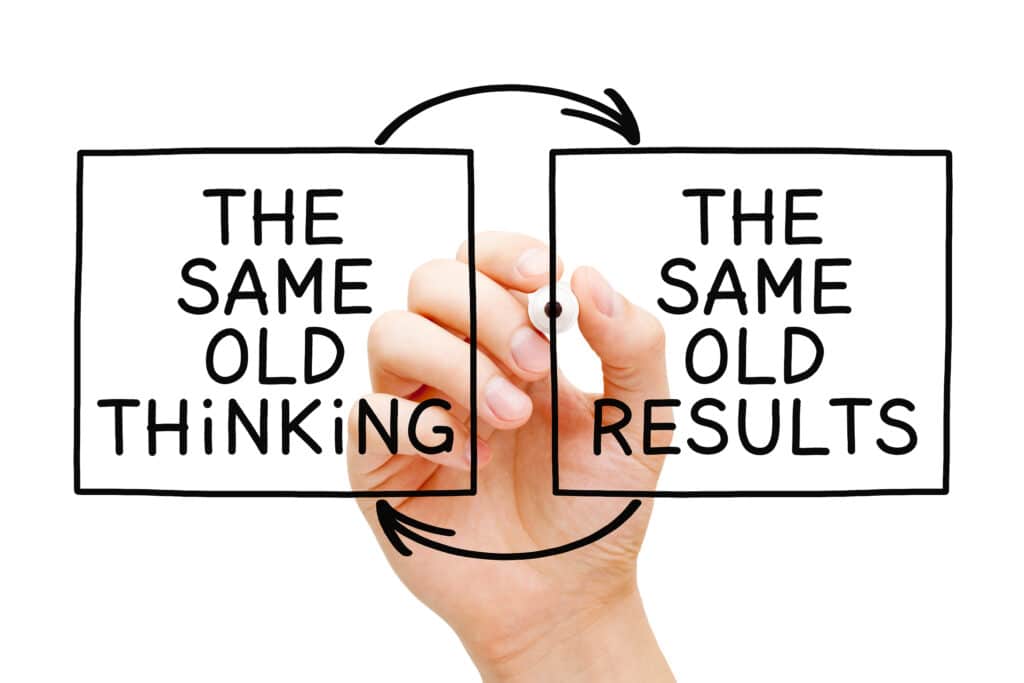
While history is a guide, it should not be treated like a straitjacket. Anticipatory Leaders must avoid:
- Clinging to outdated models. Just because something worked before doesn’t mean it’s future-proof.
- Ignoring disruptive forces. Historical trends must be adjusted for today’s technological speed.
- Confusing Soft Trends for inevitabilities. Past preferences can shift quickly if driven by social or cultural changes.
Remember: the past should inform your future strategy, not dictate it.
Steps to Become a Leader Who Shapes the Future

- Conduct Regular Historical Audits
-
- Review past product launches, market entries, and strategic moves for patterns of success and failure.
- Train Your Team in Strategic Foresight
-
- Teach them to apply Hard Trend thinking when reviewing past performance.
- Create “Past-Future” Workshops
-
- Bring teams together to identify what lessons from the past align with current certainties and what actions to take now.
- Act Before the Market Demands It
-
- Use your foresight to enter emerging spaces while competitors are still watching from the sidelines.
The Past as a Launchpad, Not an Anchor

History gives us perspective. Future certainties give us direction. Together, they give us power.
Leaders who master this connection move beyond reacting to the present and design the future. They let the next decade be defined by their vision.
The past is your teacher, the future is your canvas. What you paint on it is up to you as an Anticipatory Leader.
Want to Know What’s Next? Start With the Trends That Will Shape Your Future

You don’t have to react to change—you can anticipate it.
The fastest path to growth, innovation, and competitive advantage is built on certainty, not guesswork. My latest Top 25 Technology Trends Report for 2026 reveals the Hard Trends that are already shaping your industry, your customers, and your future.
These are not predictions. These are future facts. When you know what’s coming, you can pre-solve problems, seize emerging opportunities, and lead with confidence while others are still reacting.
Download the report now and see the future before it disrupts you:
www.burrus.com/seethefuture